
Leo Season
Books with Heart
Forget everything you have heard about Leos. This is not a reading list for people who need attention. It is for people with enormous hearts, complicated pride, fierce loyalty, creative nerve, and willingness to push against a society that asks them to “keep it down.”
BUILD YOUR OWN LEO STACK
Choose any three books from the Leo Season collection and save 15% with code LEO15.
Every direct Leo Season order will also receive a limited-edition Read Something with a Pulse sticker.
Offer ends August 22 at 11:59 p.m. Pacific.
Find your Leo read
Not sure where to begin? Pick the quality that sounds most like you.
You are tired of disappearing
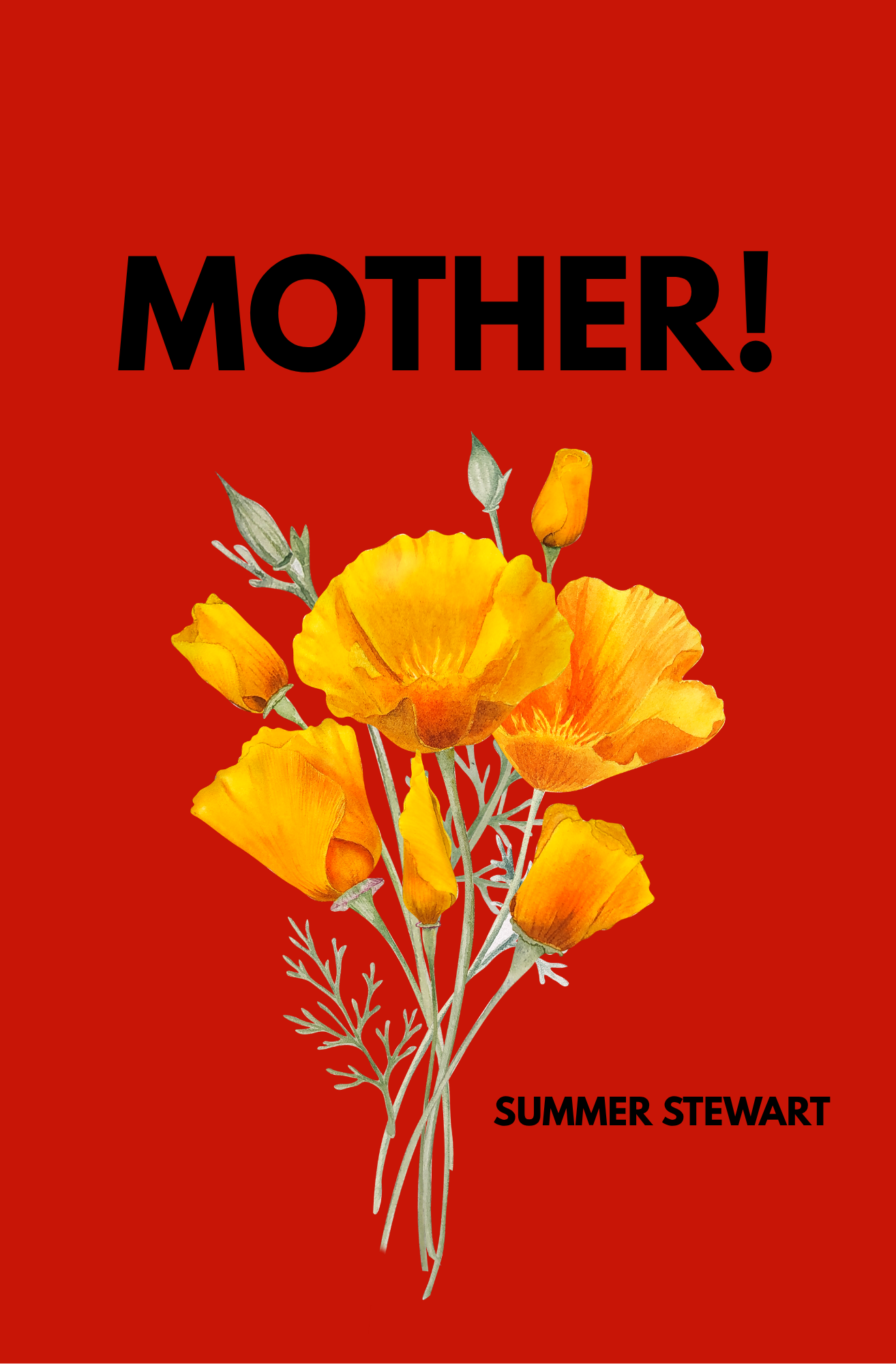
MOTHER! by Summer Stewart is a genre-defying collection of poetry and essays that interrogates what it means to be made—and remade—as a woman. Moving through girlhood, the body, labor, relationships, and motherhood, the book dismantles the idea that identity is self-determined, revealing instead how it is shaped through expectation, silence, and survival.
Blending intimate narrative with sharp cultural analysis, Stewart explores pregnancy, loss, sexuality, and care as lived realities rather than abstract concepts. Her work exposes the invisible systems women sustain—within families, partnerships, and institutions—while examining the psychological and physical costs of carrying what is never fully named.
At once deeply personal and structurally aware, MOTHER! reframes motherhood not as a role, but as a condition that illuminates broader truths about autonomy, power, and inheritance. In doing so, Stewart offers not resolution, but recognition and a path toward self-definition that does not rely on disappearance.
You remember every object an old lover left behind
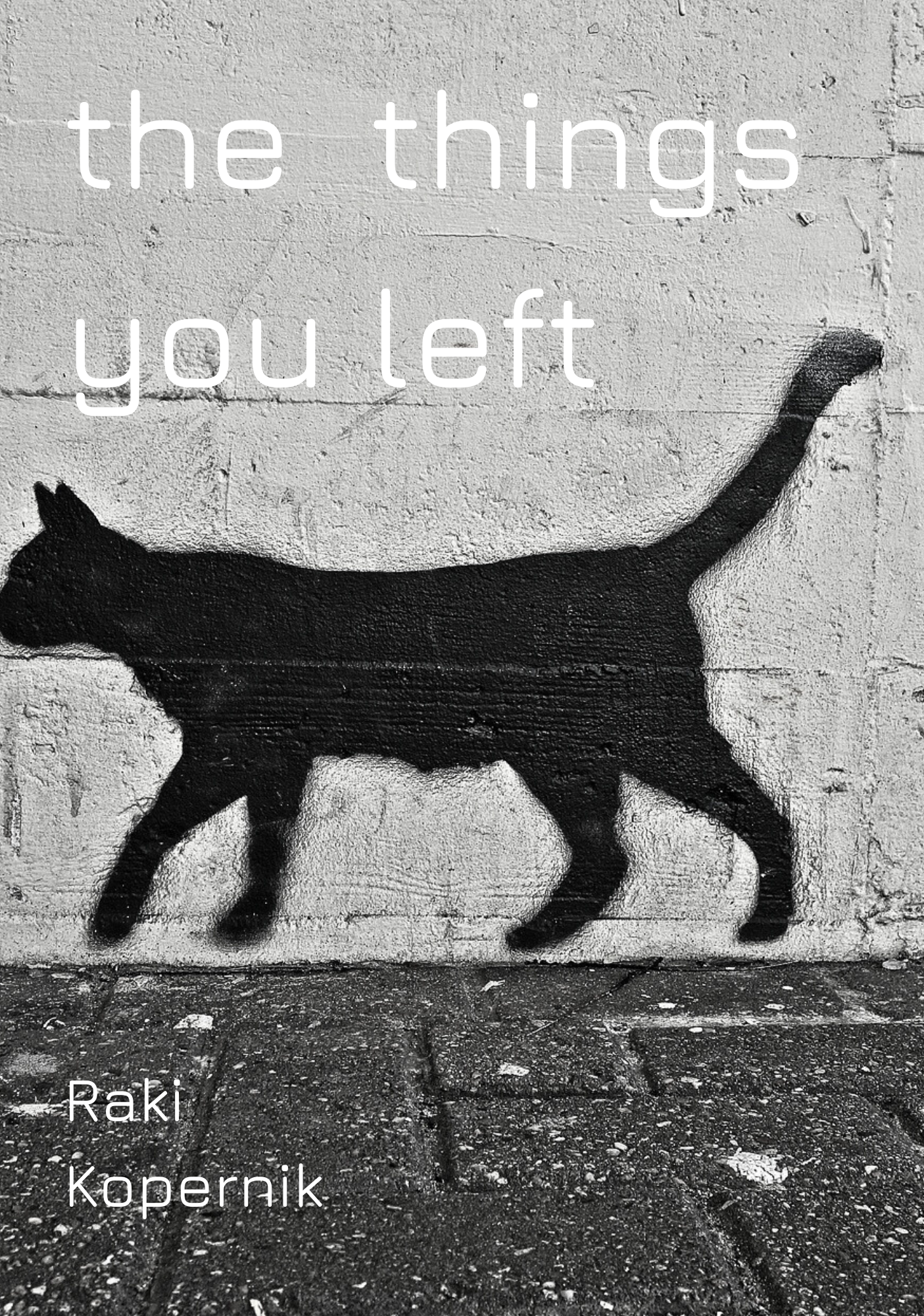
A Minnesota Book Award Finalist, THE THINGS YOU LEFT is a thirty-seven story collection built on magical realism and seemingly inconsequential moments between sweet and strange loners that meet in the space between the heart and the mind.
A couple throw plates at each other for therapy, a cat shape shifts into a woman, a man is obsessed with canned tuna, a woman relives time with her lover through objects left behind. Sometimes humorous, sometimes sad, The Things You Left explores love, addiction, relationships, and loss.
Your family confuses loyalty with silence
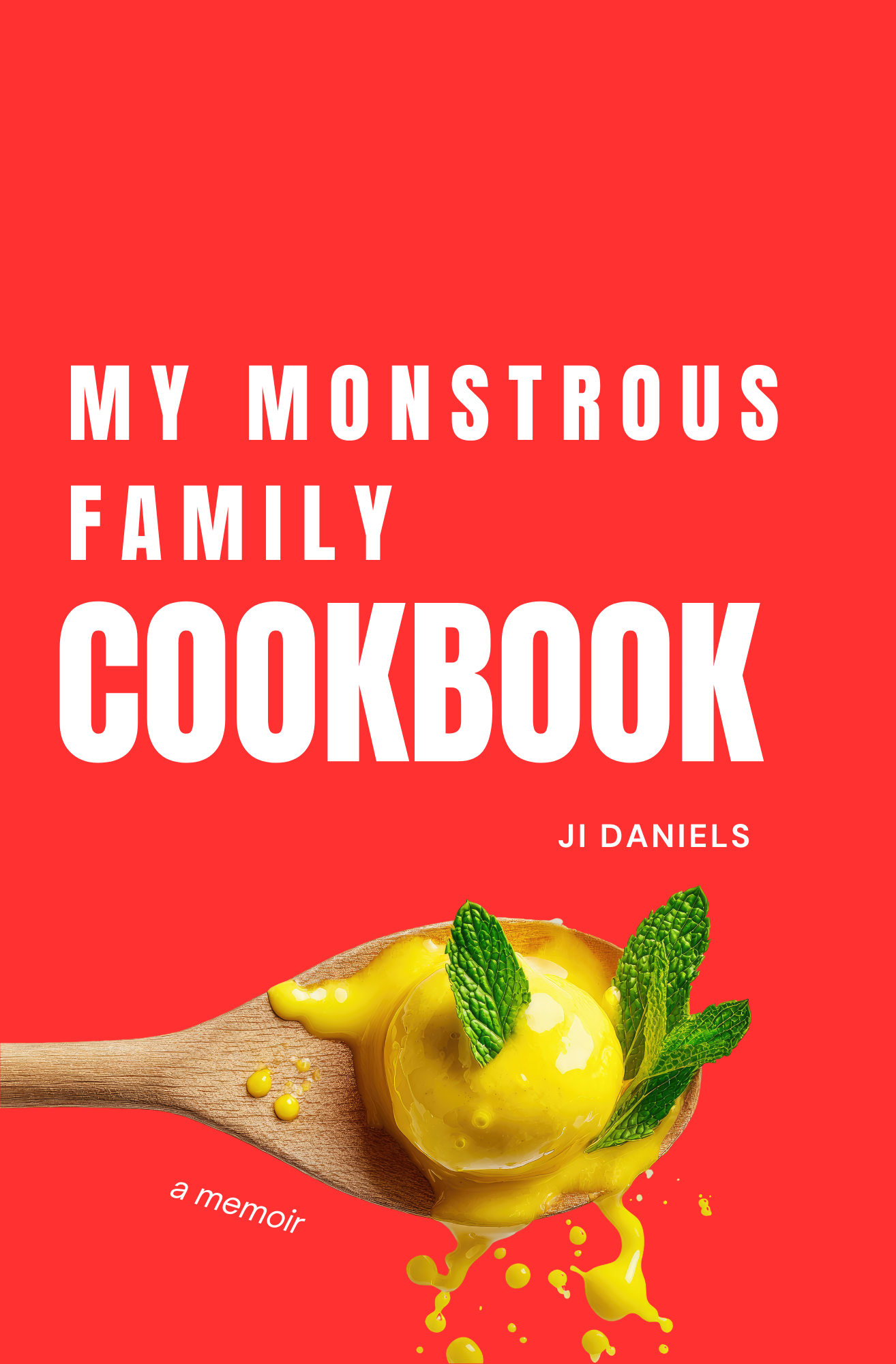
My Monstrous Family Cookbook is a hybrid memoir that uses the structure of a cookbook to explore family trauma, memory, and survival. Each recipe functions as an essay, transforming food into a language for what cannot be spoken. Darkly funny and emotionally incisive, the book interrogates masculinity, inheritance, and the costs of silence.
You survived something you are still trying to understand
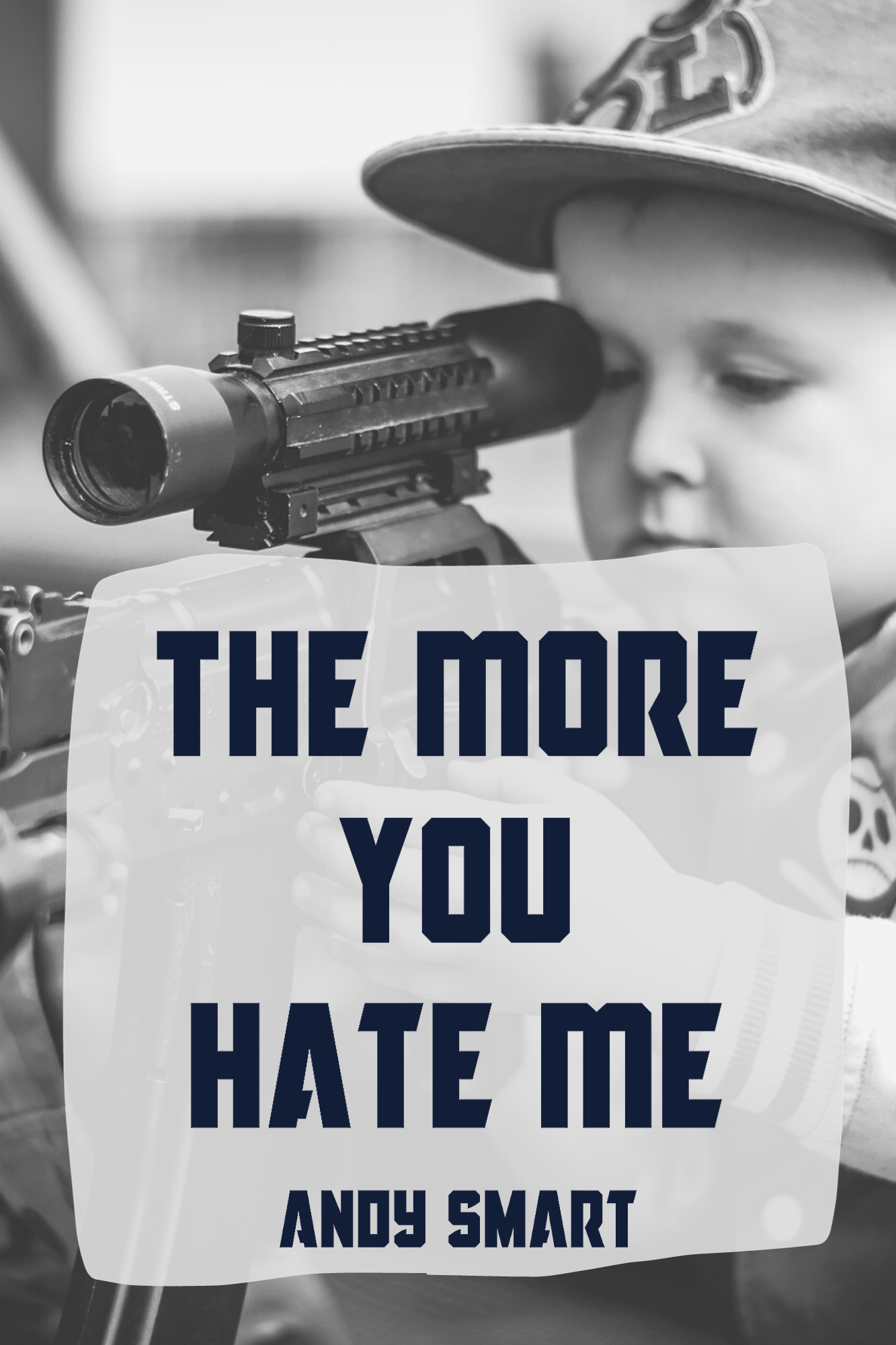
THE MORE YOU HATE ME is a memoir-in-essays collection that examines the author’s experience with his father’s suicide and the layered influence of the film Full Metal Jacket on both men. As Andy Smart navigates the worlds of his past, present, and future, Kubrick's Vietnam War movie casts its long shadow over him; this is a story of what it means to live each day as a sequel to the last. This isn’t just a suicide memoir or a survivor’s victory lap, but a book about the hardest truths of being a son.
One identity has never been enough to contain you
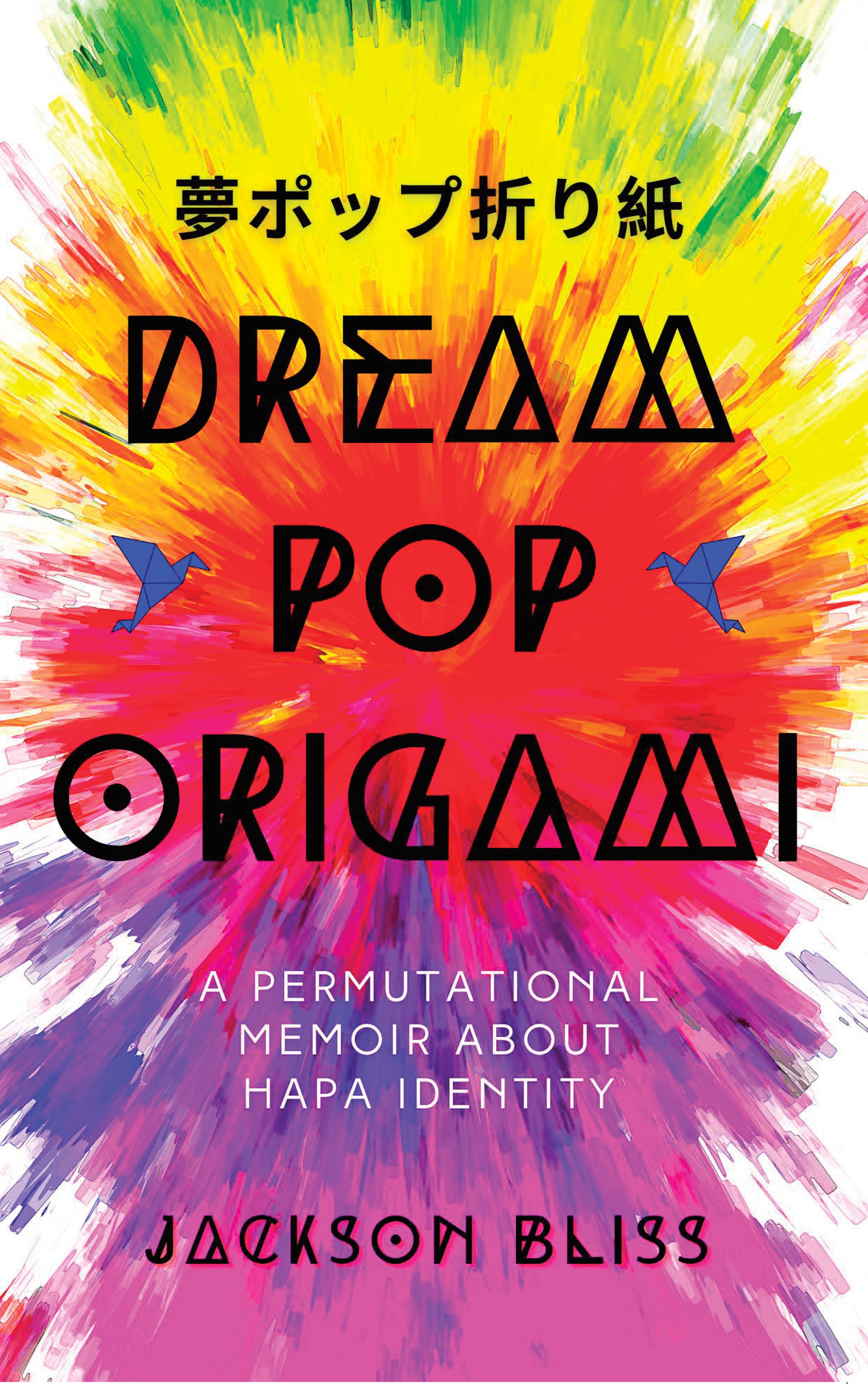
DREAM POP ORIGAMI: A PERMUTATIONAL MEMOIR ABOUT HAPA IDENTITY is a beautiful, ambitious, interactive, and engrossing lyrical memoir about mixed-race identity, love, travel, AAPI masculinities, and personal metamorphosis. This experimental work of creative nonfiction examines, celebrates, and complicates what it means to be Asian & white, Nisei & hapa, Midwestern & Californian, Buddhist & American at the same time. In this stunning collection of choose-your-own-essays and autobiographical lists, multiracial identity is a counterpoint of memory, language, reflection, and imagination intersecting and interweaving into a coherent tapestry of text, emotion, and voice.
You love with your entire nervous system
![VENTRIC[L]E](https://images.squarespace-cdn.com/content/v1/670695d3d0e7d2682b8279fd/1730157278260-G8NYFG1X184M9FYEYZ35/s224039681740579826_p409_i2_w1405.png)
What is the love poem’s function? Does it eternally preserve the beloved as they are, or does it warp and suffocate them, locking them inside stanzas and lines from which they will never escape? In VENTRIC[L]E, Jerrod E. Bohn dissects the heart’s labyrinthine structure. The organ is an intricate house, full of delight, surprise, and possibility; however, its chambers are also walled, barred. The heart is equally a cage. What began as a series of love poems took a turn with the relationship’s erosion. Are the poems themselves at fault? Did the page become the prison from which the beloved struggled to break free, and when they couldn’t, did it hasten the physical act of leaving? And what remains behind when the beloved is gone? Are they still entrapped even when another comes along? Through meditations dense with sorrow and hope, the sacred and the profane, Bohn explores the love poem’s power to both create and destroy.
You keep trying to build a better world
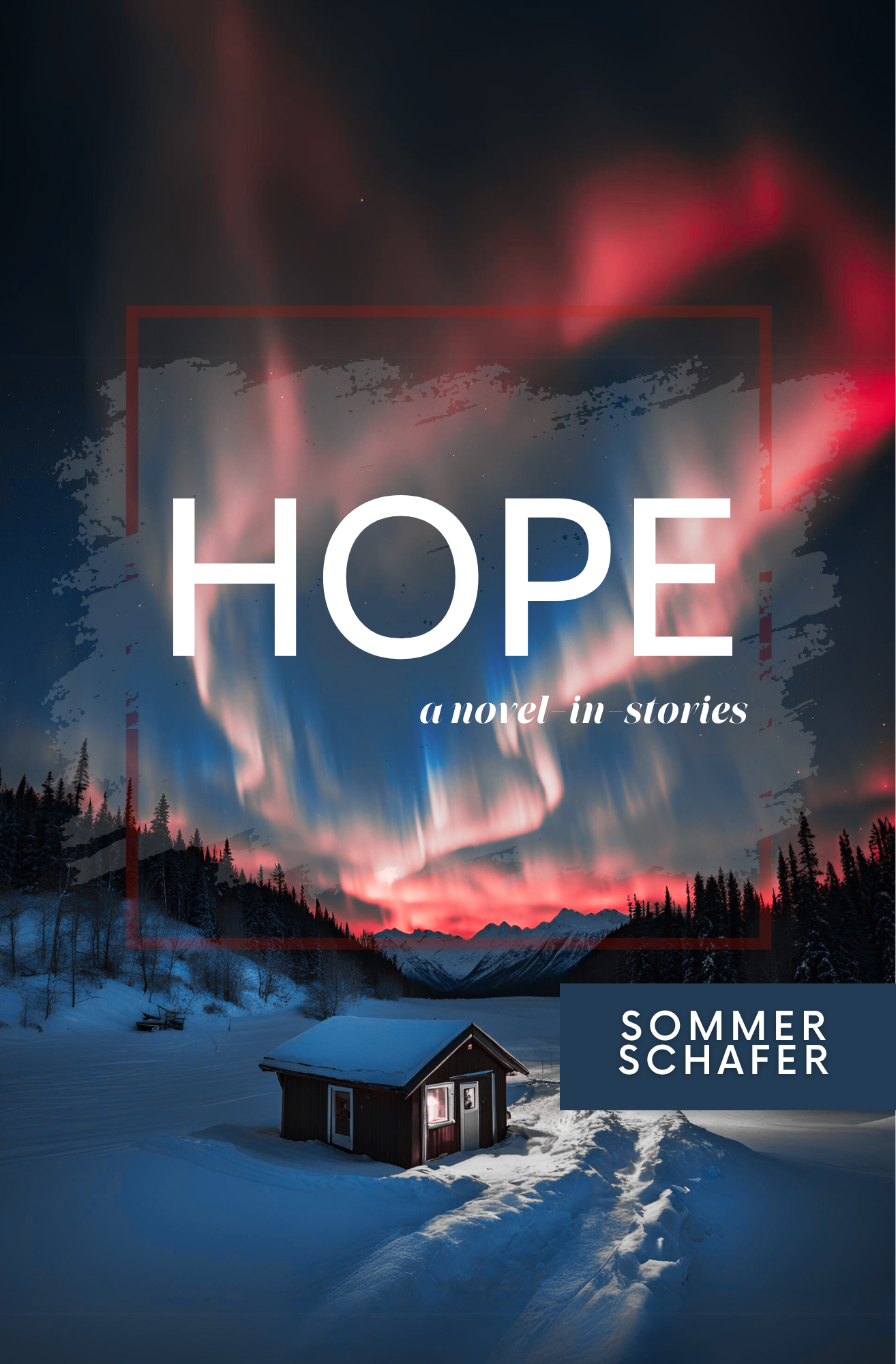
Set in a small island community called Hope, Alaska, this fresh and contemporary collection of linked stories drops us into the lives of a host of quirky town characters striving for freedom, meaning, and utopia in a wilderness of startling beauty and danger. It poses the culminating question: To what extent can we, should we, bury the past?
Humor is how you metabolize disaster
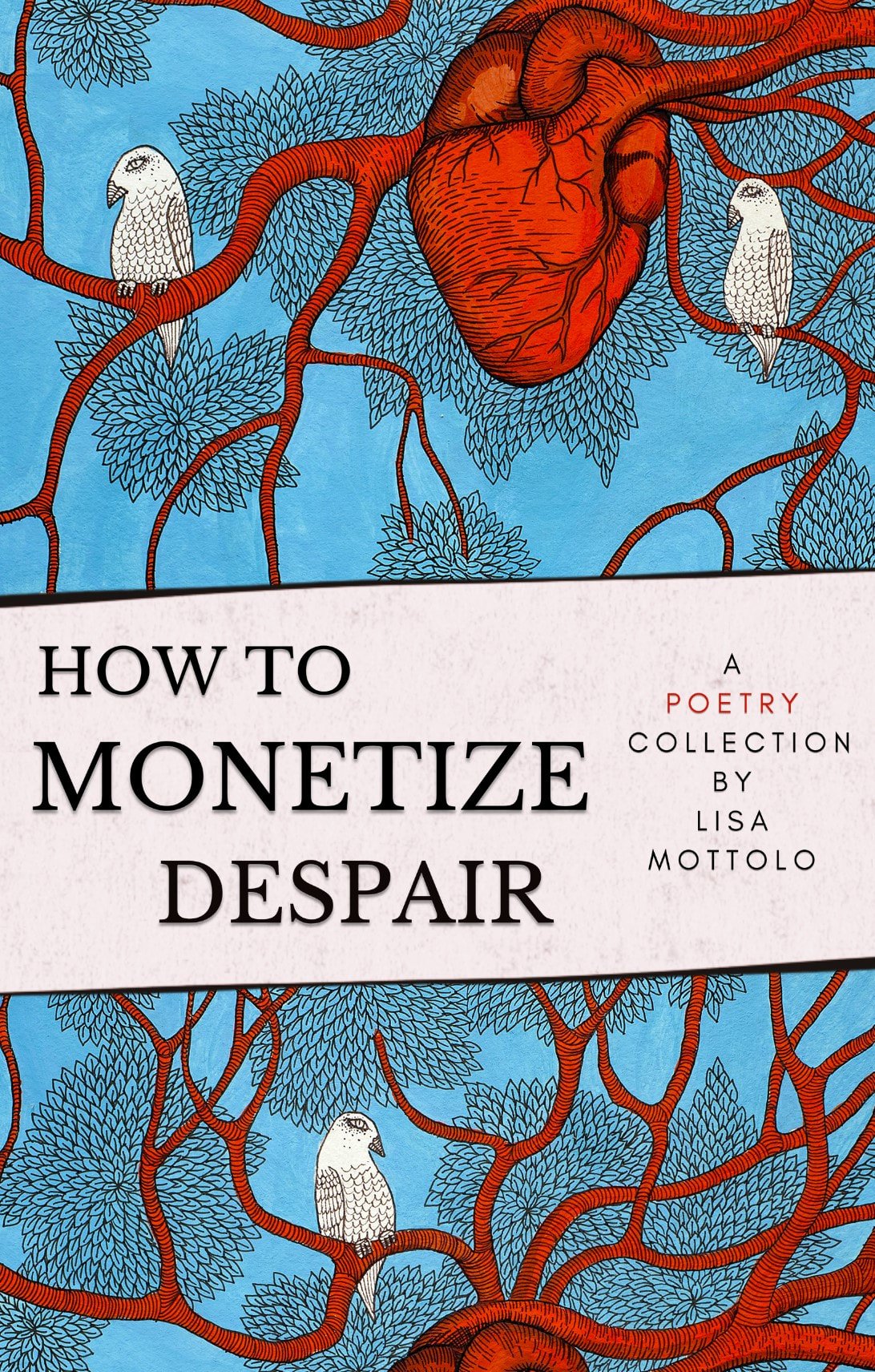
HOW TO MONETIZE DESPAIR is a captivating exploration of a wide range of subjects and ideas, from traumatic loss and the sorrows of human relationships to the natural but absurd world of neurotic caterpillars and philosophical cockroaches. With a unique blend of imagery, self-help inspired titles, and Mottolo’s peculiar brand of humor, this collection takes readers on a one-of-a-kind journey through human experience. This collection is a must-read for anyone seeking to explore the complexities of trauma and struggle, and to encounter a sea creature or butterfly along the way.
You would overthrow humanity on behalf of the bees
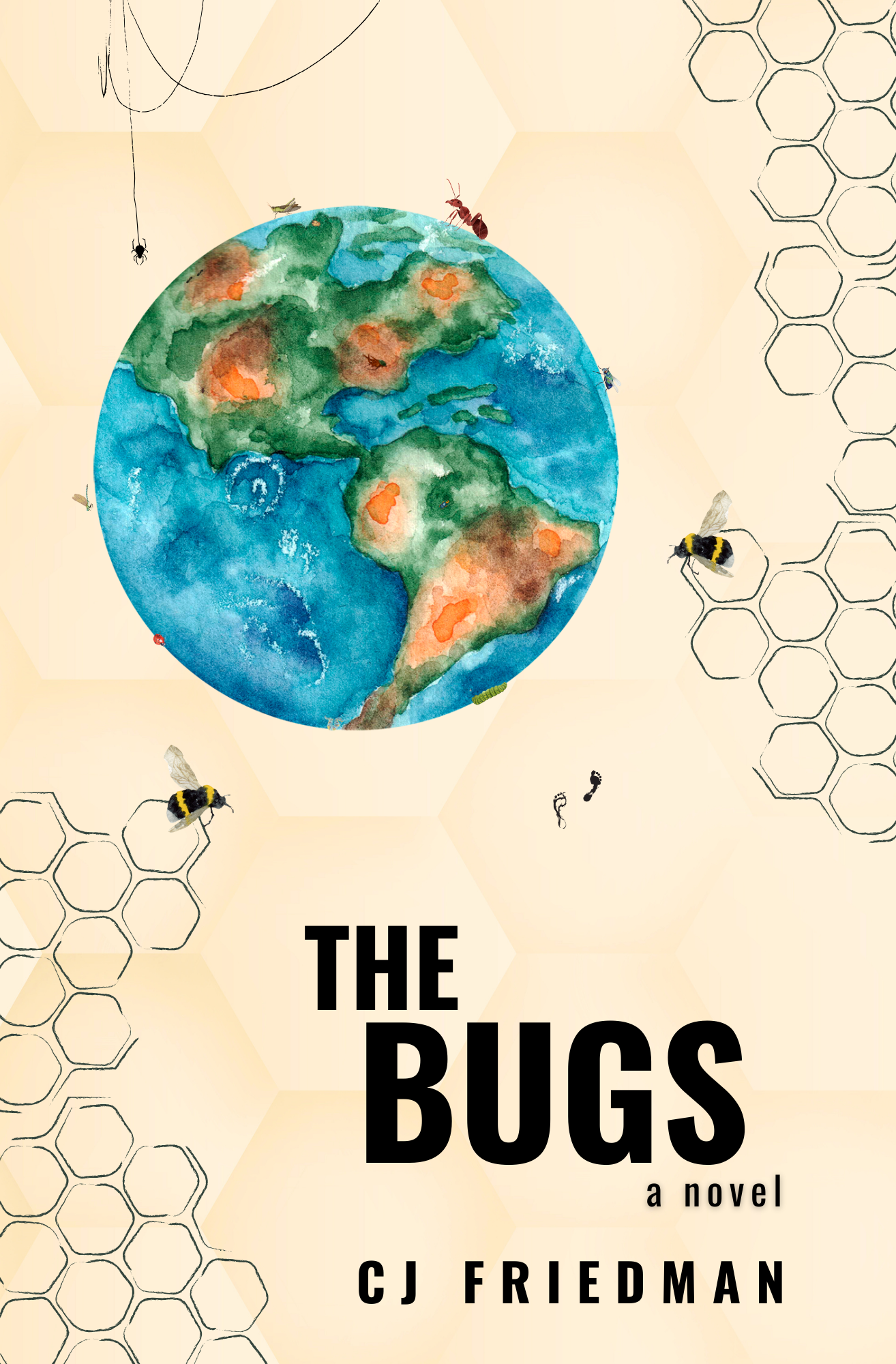
Bees, ants, spiders, flies—all of the bugs—monitor two things: the health of planet Earth, and the planet’s most influential inhabitants, the humans. Should humanity show signs of irreversibly killing Earth, the bugs will exterminate everyone. They’ll then start the human experiment over with a fresh batch of people, thanks to the DNA collected by mosquitoes.