
2026 Books.
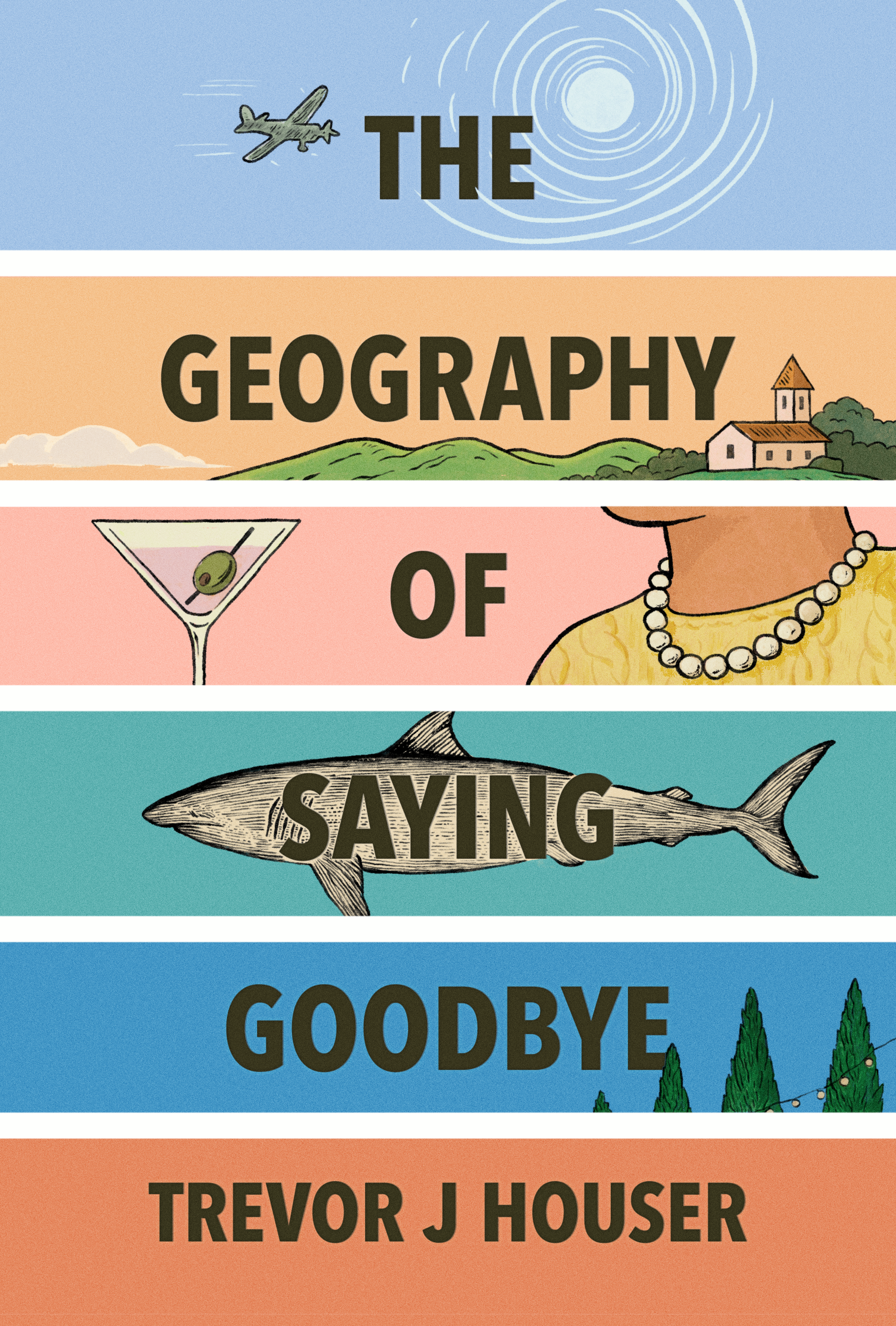
KIRKUS totes THE GEOGRAPHY OF SAYING GOODBYE as "A fleet-footed romp of a book with some sneakily perceptive insights into larger human questions."
On her deathbed, Paul Canton’s mother declares she’s bound for the Alboran Sea. The nurses dismiss it as nonsense, but the next morning she vanishes, along with her son’s credit card. Paul, who finds leaving his comfort zone “more terrifying than the Third Battle of Nanking,” sets off across continents in a quixotic pursuit, desperate for one last chance to say goodbye. Only, the farther he travels, the less he understands the woman who raised him, and the more he realizes how little he’s actually lived.
Wry and tender in equal measure, THE GEOGRAPHY OF SAYING GOODBYE blends humor with lyrical observation in a story about family and mortality, yes, but also about learning how to live.
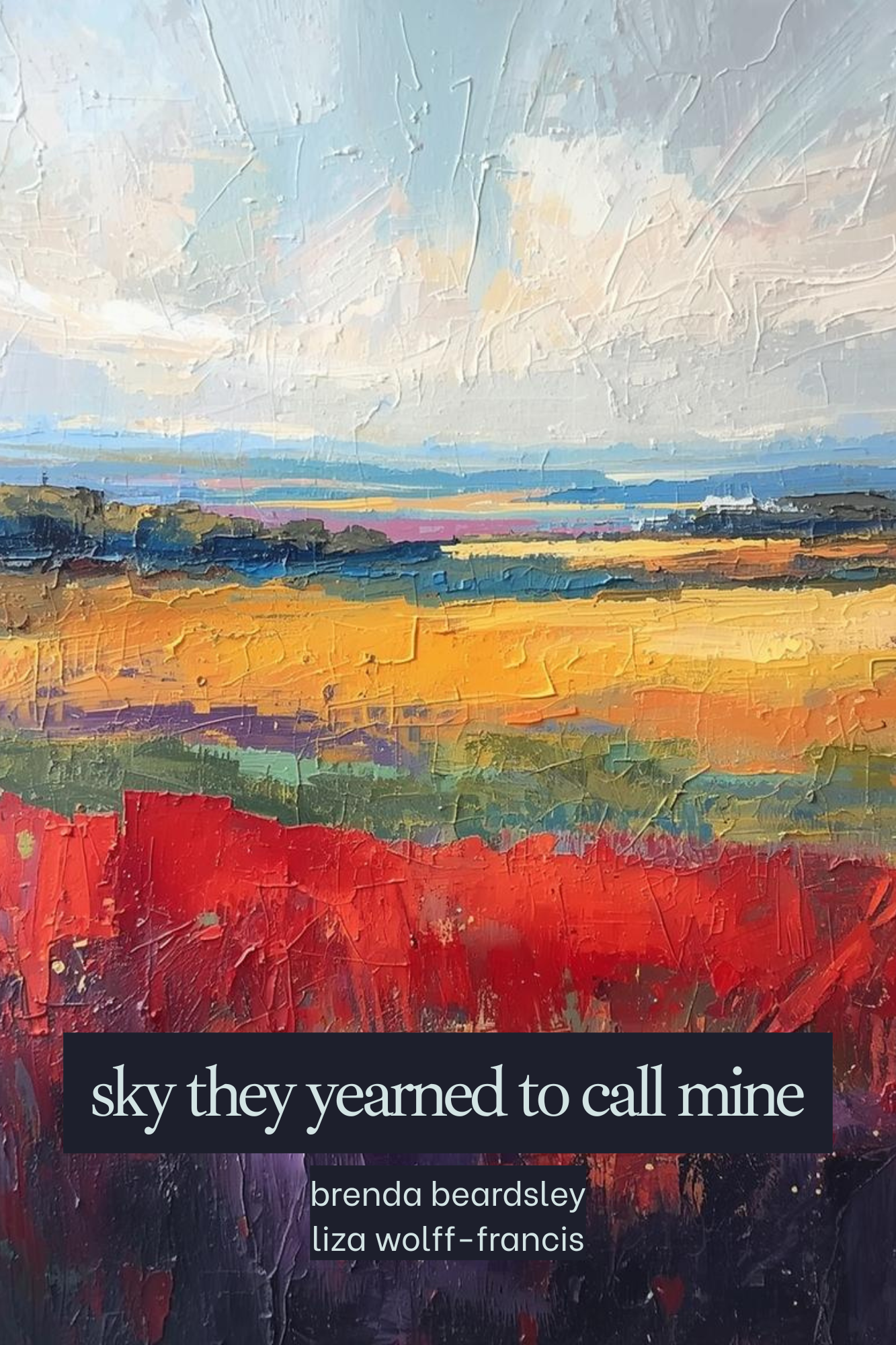
sky they yearned to call mine is a collaborative poetry collection by Brenda Beardsley and Liza Wolff-Francis, written as an exchange that reshapes grief in real time. Moving between the personal and the political, the poems respond to pandemic isolation, environmental destruction, war, and the threat to bodily autonomy. Together, the poets find endurance in attention, relationship, and the persistence of love amid collapse.
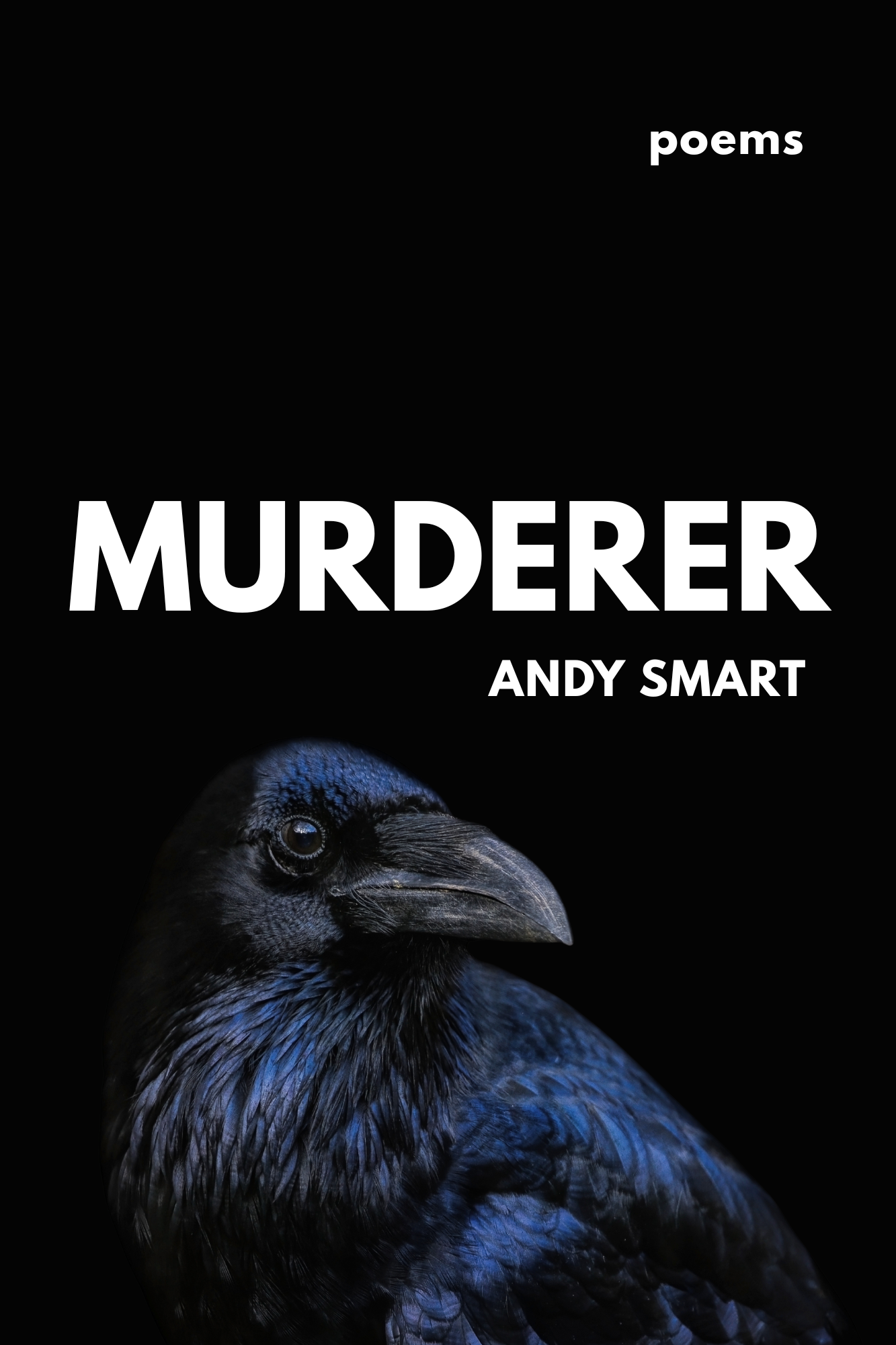
MURDERER is a searing poetry collection that confronts personal and American trauma through memory, labor, faith, and loss. Andy Smart examines the “murder of reality” in poems shaped by a father’s suicide, working-class survival, and fractured national mythologies. Fierce, irreverent, and unflinching, the collection sings for those still searching for truth in the wreckage.
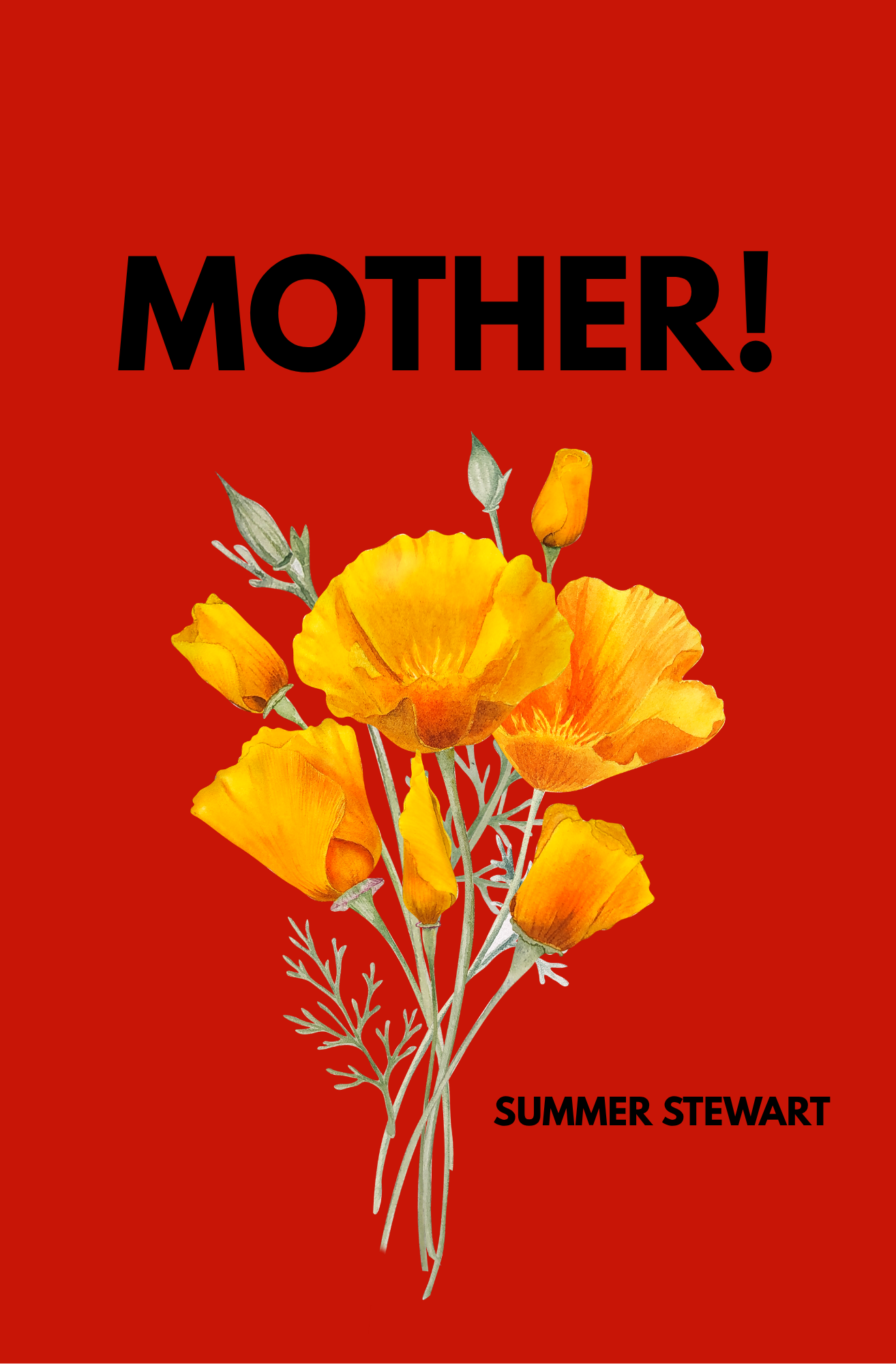
MOTHER! by Summer Stewart is a genre-defying collection of poetry and essays that interrogates what it means to be made—and remade—as a woman. Moving through girlhood, the body, labor, relationships, and motherhood, the book dismantles the idea that identity is self-determined, revealing instead how it is shaped through expectation, silence, and survival.
Blending intimate narrative with sharp cultural analysis, Stewart explores pregnancy, loss, sexuality, and care as lived realities rather than abstract concepts. Her work exposes the invisible systems women sustain—within families, partnerships, and institutions—while examining the psychological and physical costs of carrying what is never fully named.
At once deeply personal and structurally aware, MOTHER! reframes motherhood not as a role, but as a condition that illuminates broader truths about autonomy, power, and inheritance. In doing so, Stewart offers not resolution, but recognition and a path toward self-definition that does not rely on disappearance.
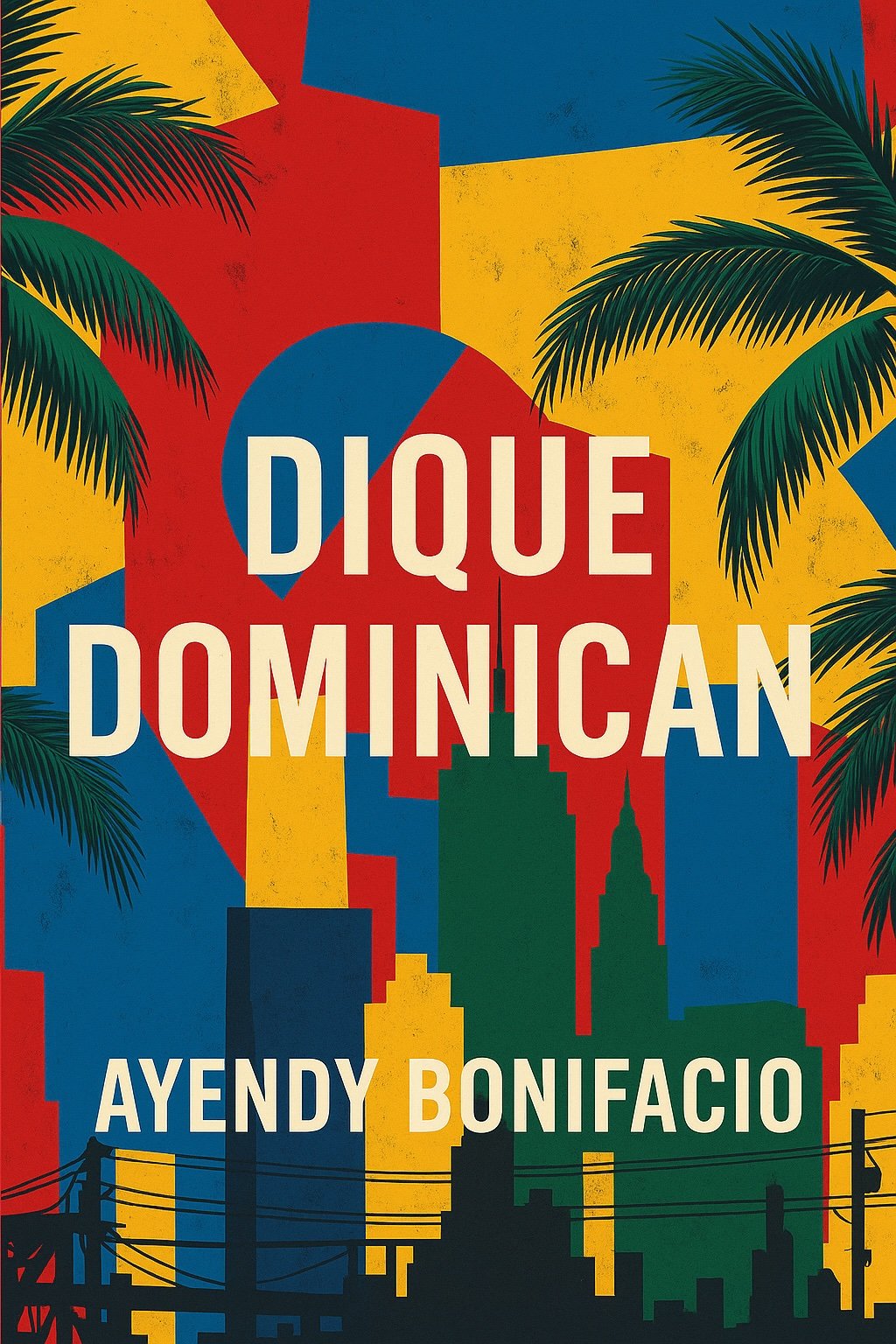
Kirkus Reviews calls DIQUE DOMINICAN, “A brutally raw, poignant, and literary coming-of-age memoir.”
Dique Dominican is the powerful debut memoir from Ayendy Bonifacio, born "near a mango-steepled, river-scented town" in the Dominican Republic and raised in Brooklyn after migrating as a child. With lyrical precision and emotional honesty, Bonifacio reflects on the immigrant experience, identity, language, and belonging.
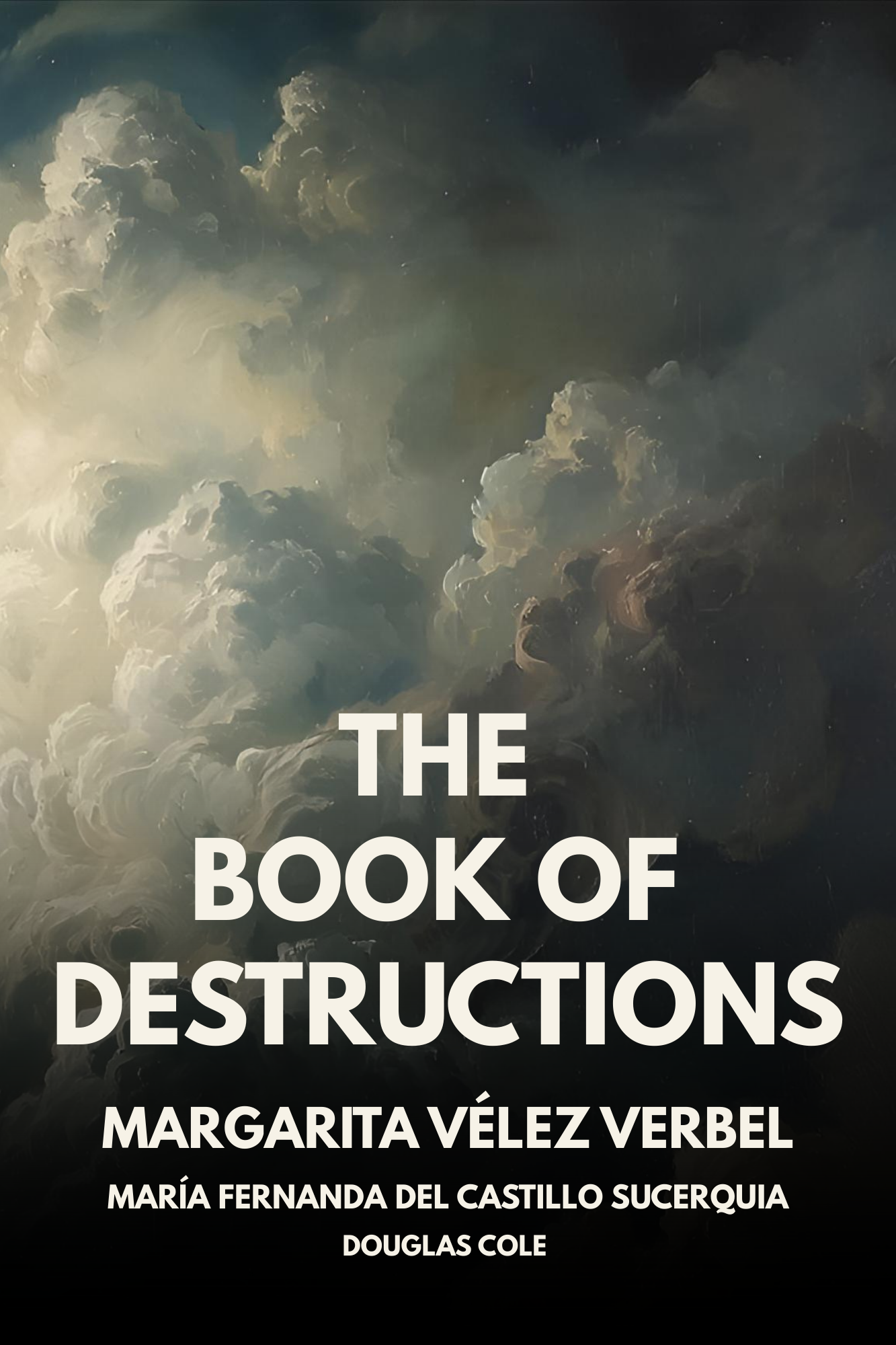
In The Book of Destructions, Margarita Vélez Verbel dismantles the foundations of inherited power. The sacred is interrogated, the familial pedestal cracked open. Father and mother lose their mythic shine, and society emerges as a snarled, punishing knot where freedom and dignity are routinely sacrificed.
Nothing holds still here.
Pain burns clean through memory.
God mirrors the patriarchy that worships Him.
The “destruction” at the heart of this book is the deliberate breaking of the ancient rules meant to keep women obedient, invisible, and domestic.
David—the acclaimed king who felled Goliath—appears instead in his full grotesquerie: a predatory man who cloaked violence against girls in divine approval. John the Baptist—self-appointed moral sentinel—hurls “whore” at Salome’s mother while ignoring the rot within his own tradition. And in a satisfying reversal, the prophet who despised women is finally undone by a woman’s whim, a poetic justice rendered with the sharp edge this book wields so well.
Vélez Verbel’s work is not an act of destruction for its own sake. it is a necessary breaking, a blaze set to the myths that have ruled women’s bodies and lives for millennia.
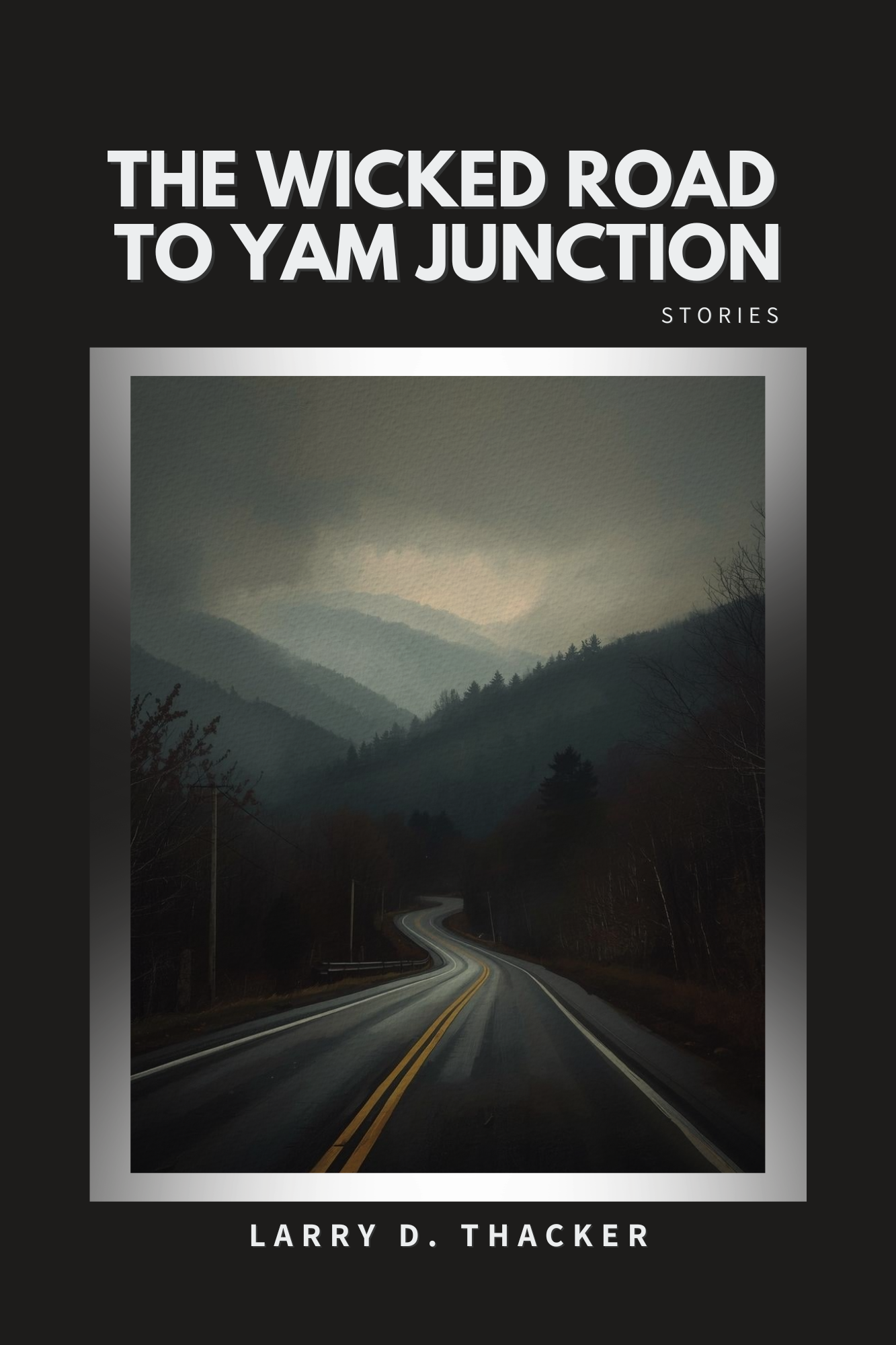
In the tiny, unincorporated town of Fetch, Tennessee, population 457 and falling, life is lived on "limited information". To the family of the young narrator, the world effectively ends at the county line. His grandfathers, Abe and Randall, along with his mother, Alice, live by a strict code: if you can’t find it in Fetch, you don’t need it. But for a boy with an imagination in "full throttle," the three-lane highway leading north toward the mysterious Yam Junction represents a "wicked road" filled with the very sins and secrets his elders preach against.
Through a series of humorously interconnected stories, the secrets of Fetch begin to unravel. The narrator discovers his family’s "holy" boycott of Wal-Mart is a facade hidden behind cupboards full of "Great Value" cereal. He watches as his friend Jerry, a tattoo artist who "couldn’t draw a straight stickman," becomes an accidental sensation in the Knoxville art scene for his "intentional naiveté". From a preacher attempting to monetize a local sinkhole as a "Gate to Hell" to the fabrication of local legends to satisfy a middle-school project, these stories explore the eccentricities of Appalachian life.
The Wicked Road to Yam Junction is a spirited collection that captures the tension between the safety of home and the pull of the horizon, proving that even the most "wicked" roads often lead us right back to the people we love.

Award-winning author Liz Kellebrew debuts a short story collection of Mobius strip plots and shapeshifting points of view, where isolation amplifies connection and Ouroboros rules a reality stranger than dreams. With crackling, sensual, cinematic prose, Cloistered is a surreal journey through self-destruction and into self-transcendence. Kellebrew’s stories are a series of gentle detonations that will break open your expectations, dissolve the limits of your perception, and leave you deliciously perturbed.
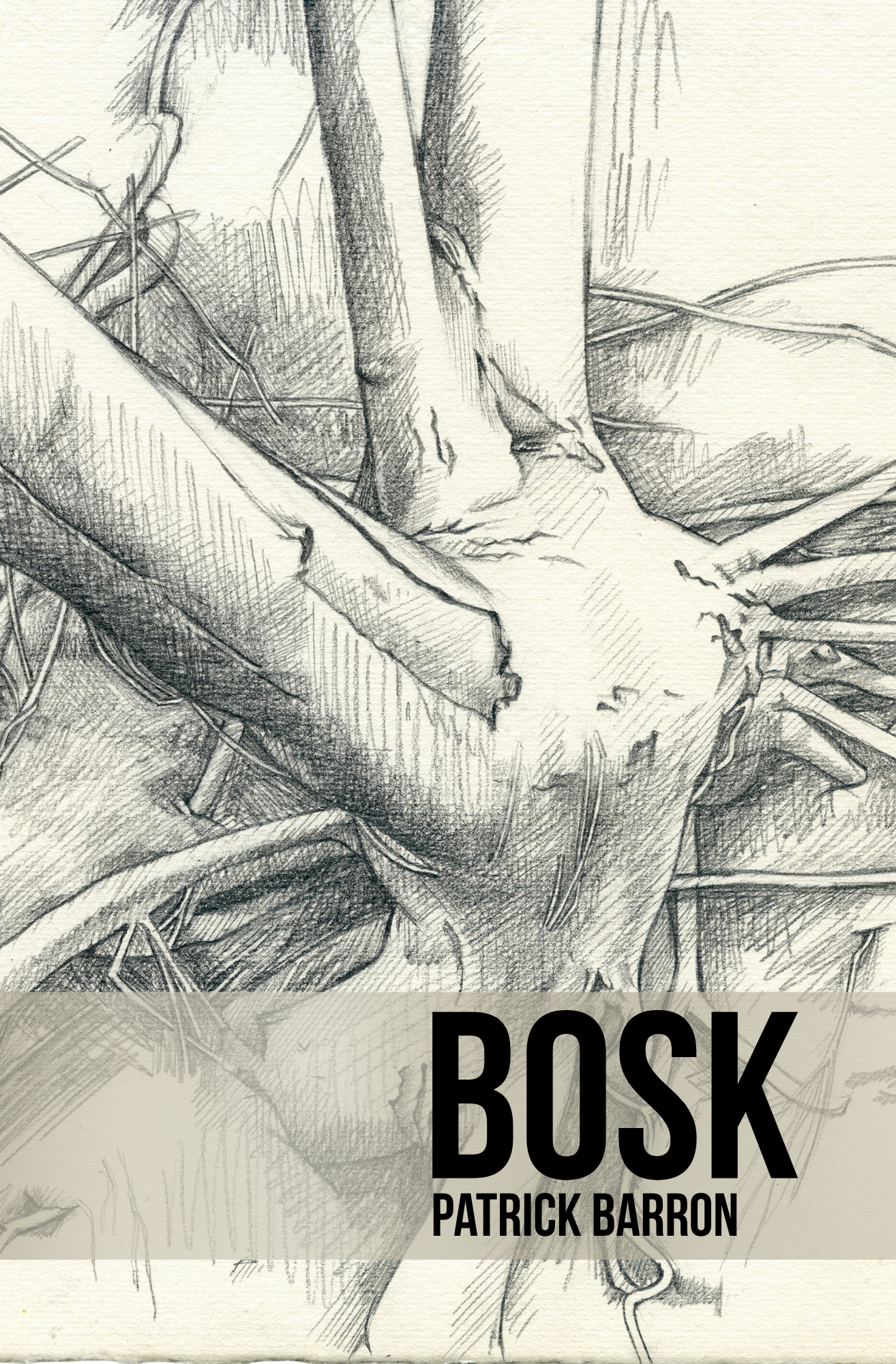
Bosk is a meditative collection of brief, luminous poems that explore the quiet, complex lives of woody plants. With a botanist’s eye and a poet’s heart, these verses examine how close observation—often at the Arnold Arboretum in Boston—both distorts and deepens our understanding of the nonhuman world. Each poem is framed by the initials of the plant’s Latin name, inviting the reader into a layered experience where language, thought, and organic form intertwine. Written during walks and still moments—sometimes while the author’s children, Piero and Giacomo, napped nearby—Bosk reveals the strange and beautiful intimacy that can arise when we look closely at what we usually pass by.

et al. by Andrew Brenza is a daring work of erasure, carved from the bones of a discarded dark fantasy novella and reborn as an experimental epic. What emerges is a haunting narrative poem—a surreal journey through a shifting, Sisyphean mindscape where meaning flickers, dissolves, and reassembles. Both intimate and expansive, et al. pushes the boundaries of erasure poetry, transforming failure into fertile ground for myth, memory, and the uncanny.
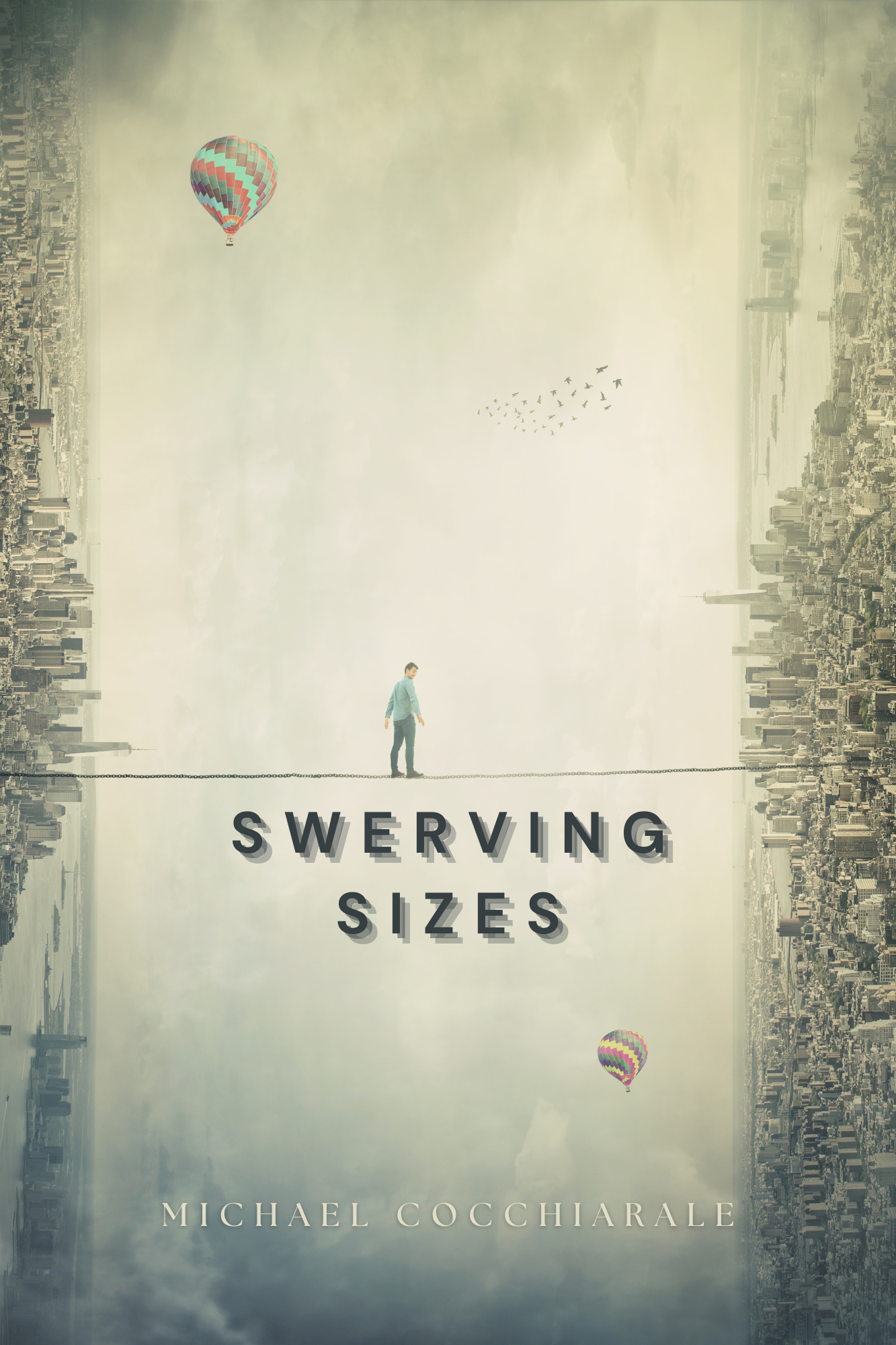
Swerving Sizes is a collection of microfictions that are all exactly 100, 200, or 300 words long. The book is divided into two sections. “Regular,” the first section, features work in a realistic vein. “Extra,” the second section, features work that is surreal, absurd, and/or structurally innovative.
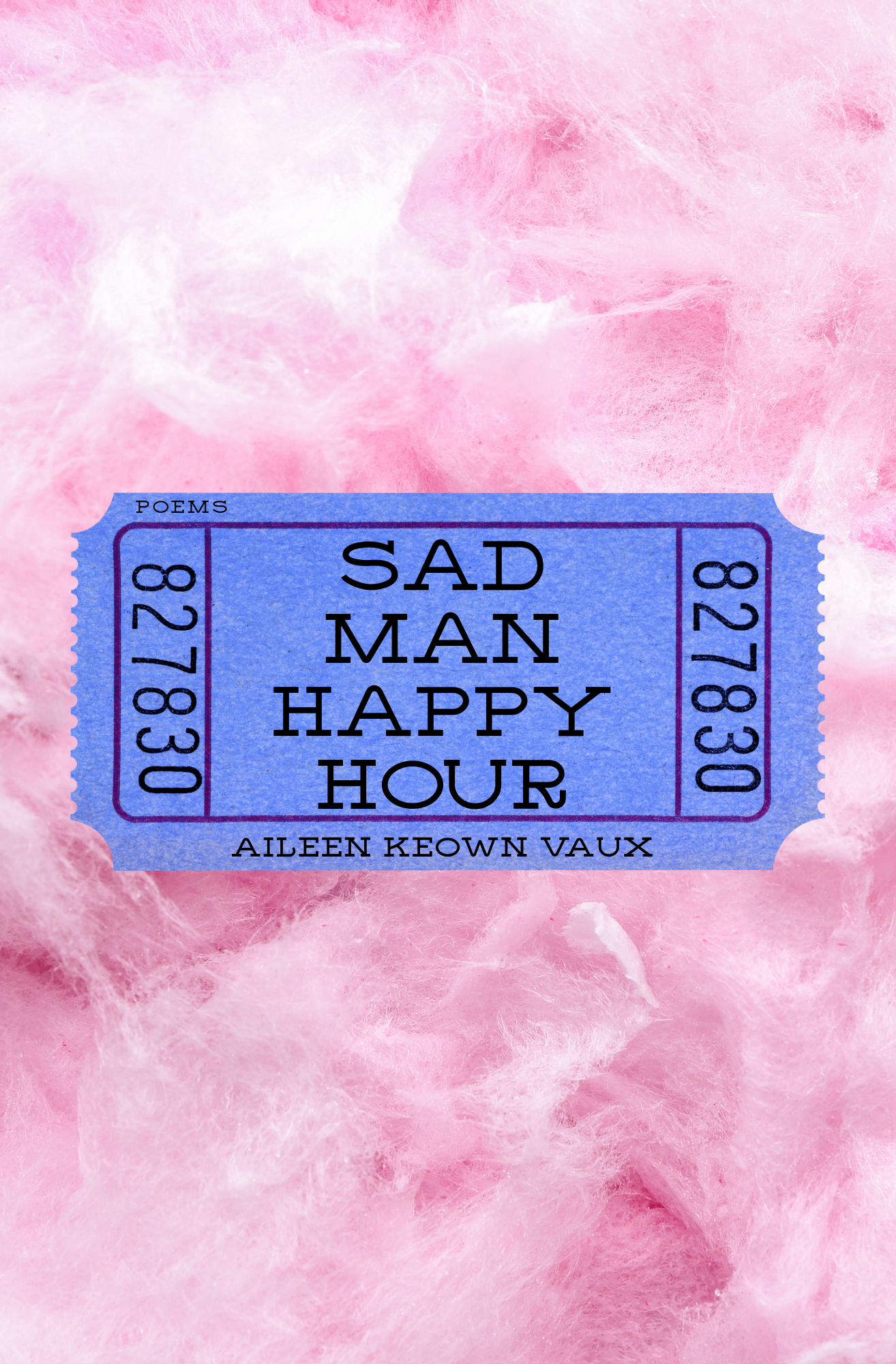
SAD MAN HAPPY HOUR is a four-part poetry collection rooted in the Pacific Northwest that resists regional mythmaking in favor of lived experience. With wry humor and earned wisdom, SAD MAN HAPPY HOUR aims to deconstruct queer alienation and our ever-changing relationship with the natural world. Determined to be more celebration than elegy, the book suggests “if you thought that life would end when the world did / then you don’t know anything about life.” Drawing on county fairs, 90’s true crime TV, and the COVID-19 pandemic, SAD MAN HAPPY HOUR locates meaning in memory in unexpected places, while situating itself in the tradition of Northwest writers who treat the land not as backdrop, but as an active force–and in doing so, offers a portrait of the Pacific Northwest as it is: fractured, funny, enduring, and alive.
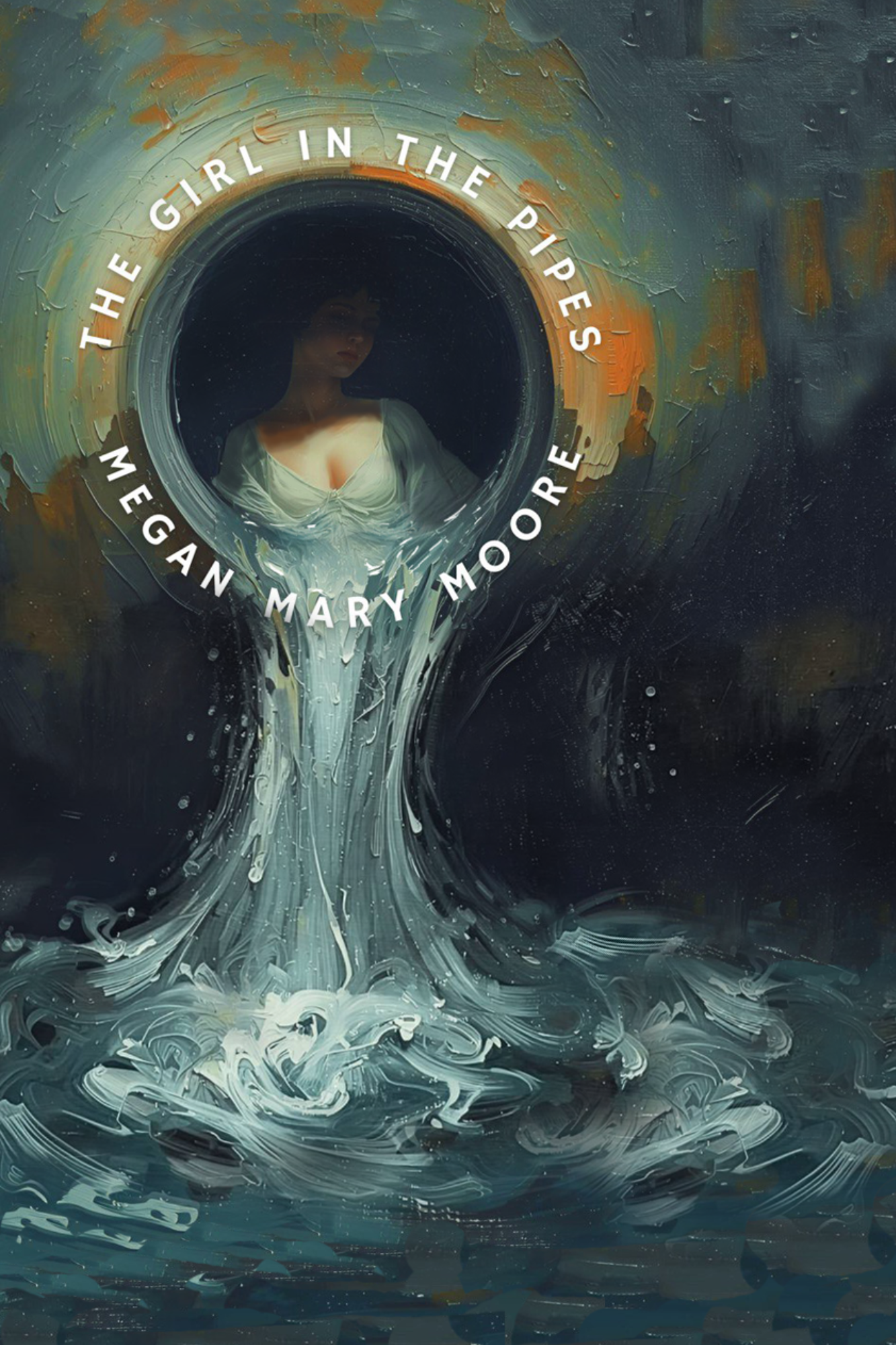
After a car accident leaves her bedridden and facing permanent reproductive consequences, Marley begins hearing a voice from her bathroom drain inviting her to leave her body behind. Dani, a plus-sized influencer whose illness threatens both her health and her livelihood, hears a similar voice from her kitchen sink promising relief and understanding. As their stories converge, The Girl in the Pipes becomes a visceral, feminist exploration of what happens when escape feels more humane than survival.
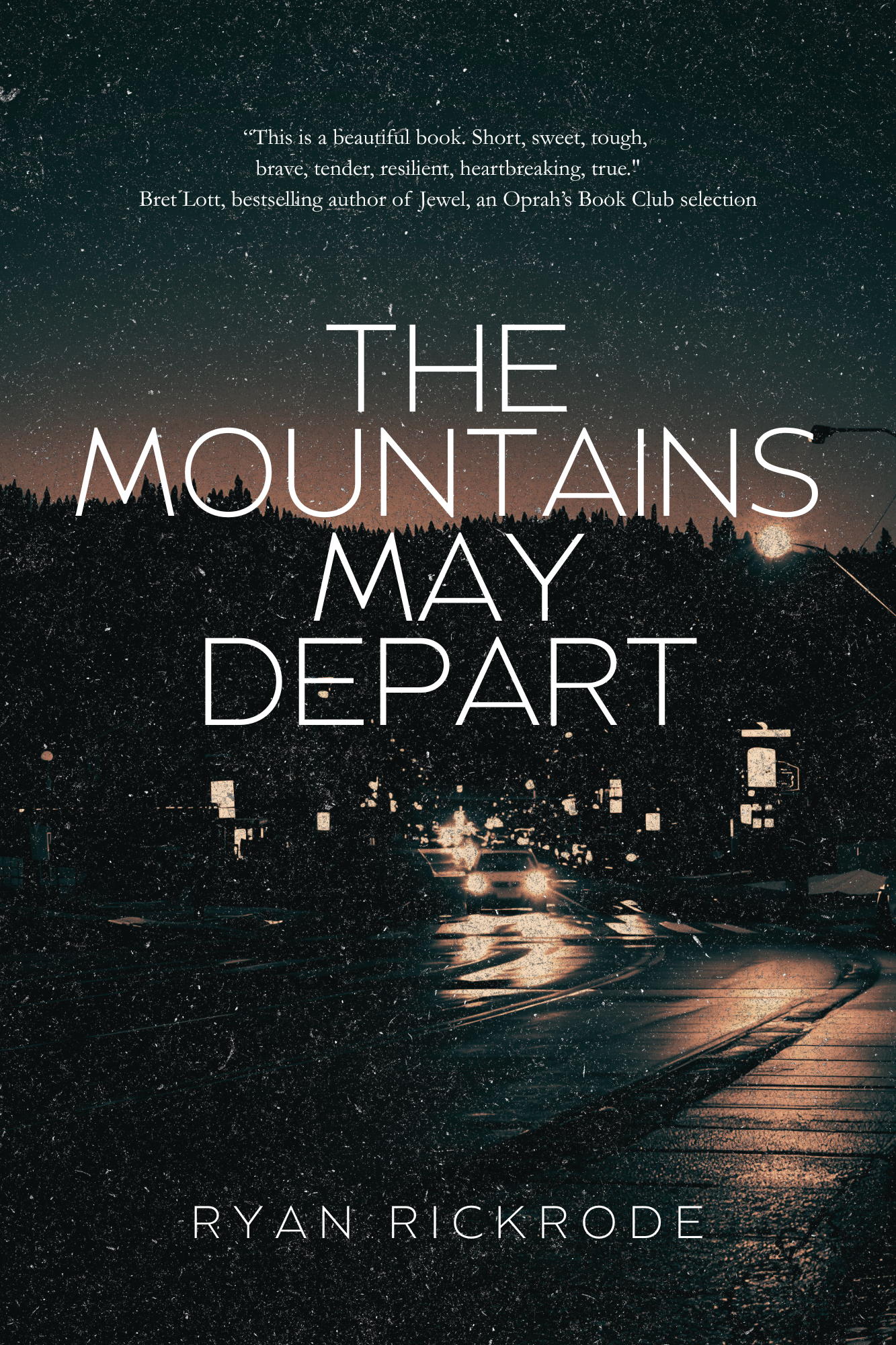
In THE MOUNTAINS MAY DEPART, a year has passed since Dan and Sarah lost their four-year-old son in a car accident—one Sarah caused. Dan spends each dawn running through the streets of Missoula, pounding the pavement in an effort to outrun the grief, guilt, and fierce love that have knotted themselves inside him. He wants to be the strong one, the forgiving one, but every attempt to soothe Sarah falls apart, and lately he’s shocked to realize he’s noticing an attractive young colleague at work, a sign of how far off-center he’s drifted.
Sarah, meanwhile, wakes every morning to pray to a God who seems to turn away from her pleas. She kisses Dan on the stairs, feels the widening fracture between them, and believes that leaving might be the most merciful act she can offer. A new, frightening prayer has slipped into her heart: If you don’t want me to go, stop me. But no divine roadblocks appear, and she has begun—quietly, methodically—to plan her departure.
Set against the rugged landscape of Missoula, Montana, this novella is an intimate exploration of grief, marriage, and the brutal, bewildering work of forgiveness. A 2019 Finalist for the Clay Reynolds Novella Prize and a 2020 Honorable Mention for the Landmark Prize for Fiction, the book also appeared in excerpt in The Windhover in 2021.
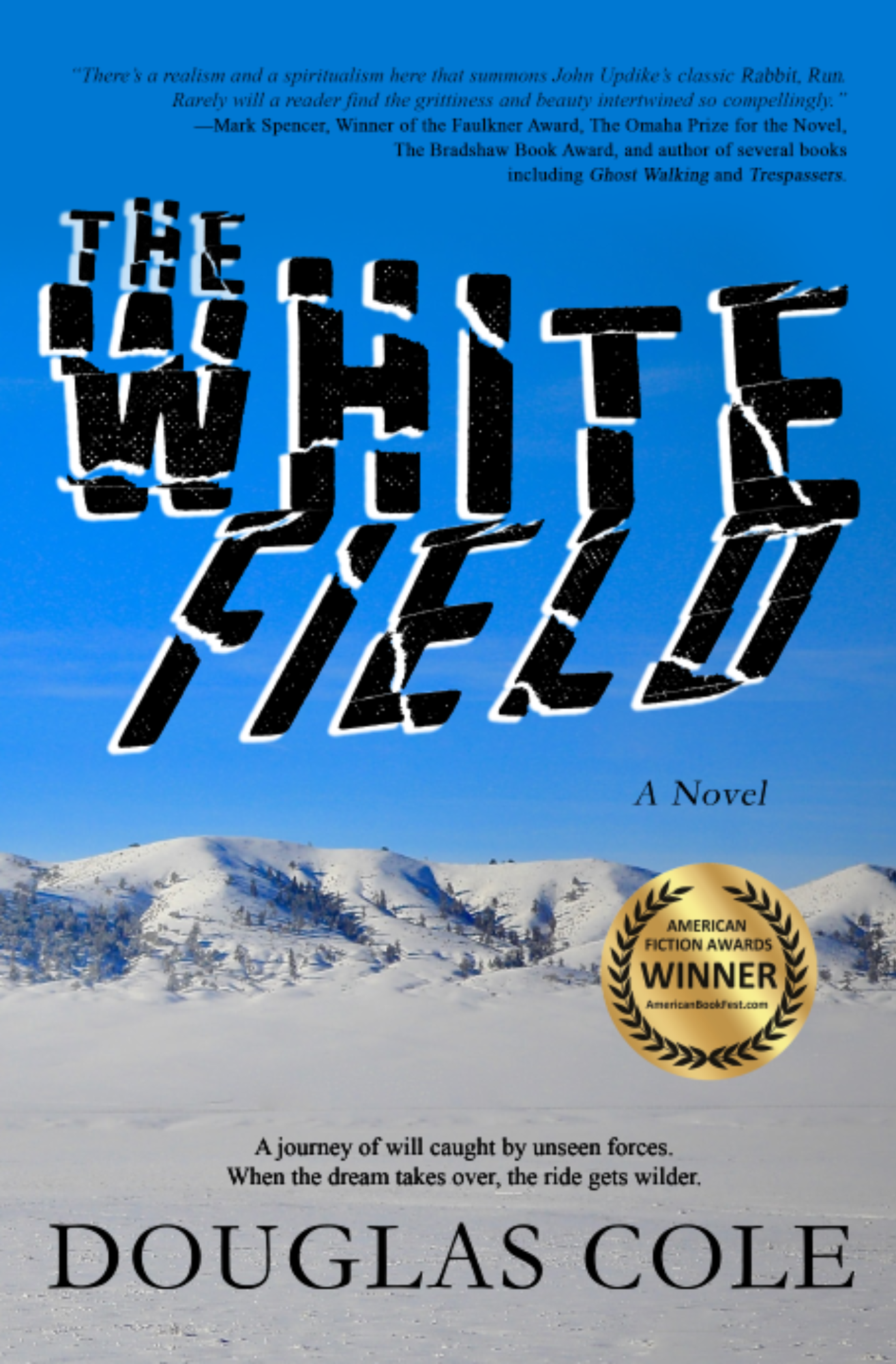
The White Field is a fast-paced journey of a man Tom, fresh out of prison and trying desperately to rebuild his life. But he is caught by mysterious, unseen forces beyond his knowledge or control.
After his release from prison, he is dropped back into the world in the wastelands of the city. In the menial work afforded the underclass, he begins his new life among characters at the edges of society - dwellers of the netherworld - such as Raphael, a former cop from Mexicali-singing Spanish areas in the mists of the industrial night among drug addicts and crooked cops; Tony, a stoner scholar with an encyclopedic knowledge of history based solely on the intricate study of rock and roll; and Larry, the bloated, abusive manager trapped as much as his workers in a world of tedium and repetition and machines
Think, The Three Stooges on acid.
Unable to reconnect with what’s left of his family, Tom embarks on a criminal path more harrowing than the one that led him to prison in the first place. Lured in by the nefarious Thane, he slips into a plan that will leave him with no way back. And with no place left in this world to go but prison, he makes one last run for freedom. Will he escape?
In a series of 112 vignettes, Without Your Father chronicles the year following the sudden death of Jessica Lynne Henkle’s father. Written in the second person and with searing honesty, the book depicts the oddities and absurdities of navigating sudden loss, along with the utter devastation of it: the daily, sometimes hourly trudging forward in a life that has become unrecognizable now that one person is no longer in it. Without Your Father seeks to mimic the grieving process itself and allows readers to enter its pages and move through their own losses, in their own ways. It is, at its core, an offering—from one grieving soul to another.
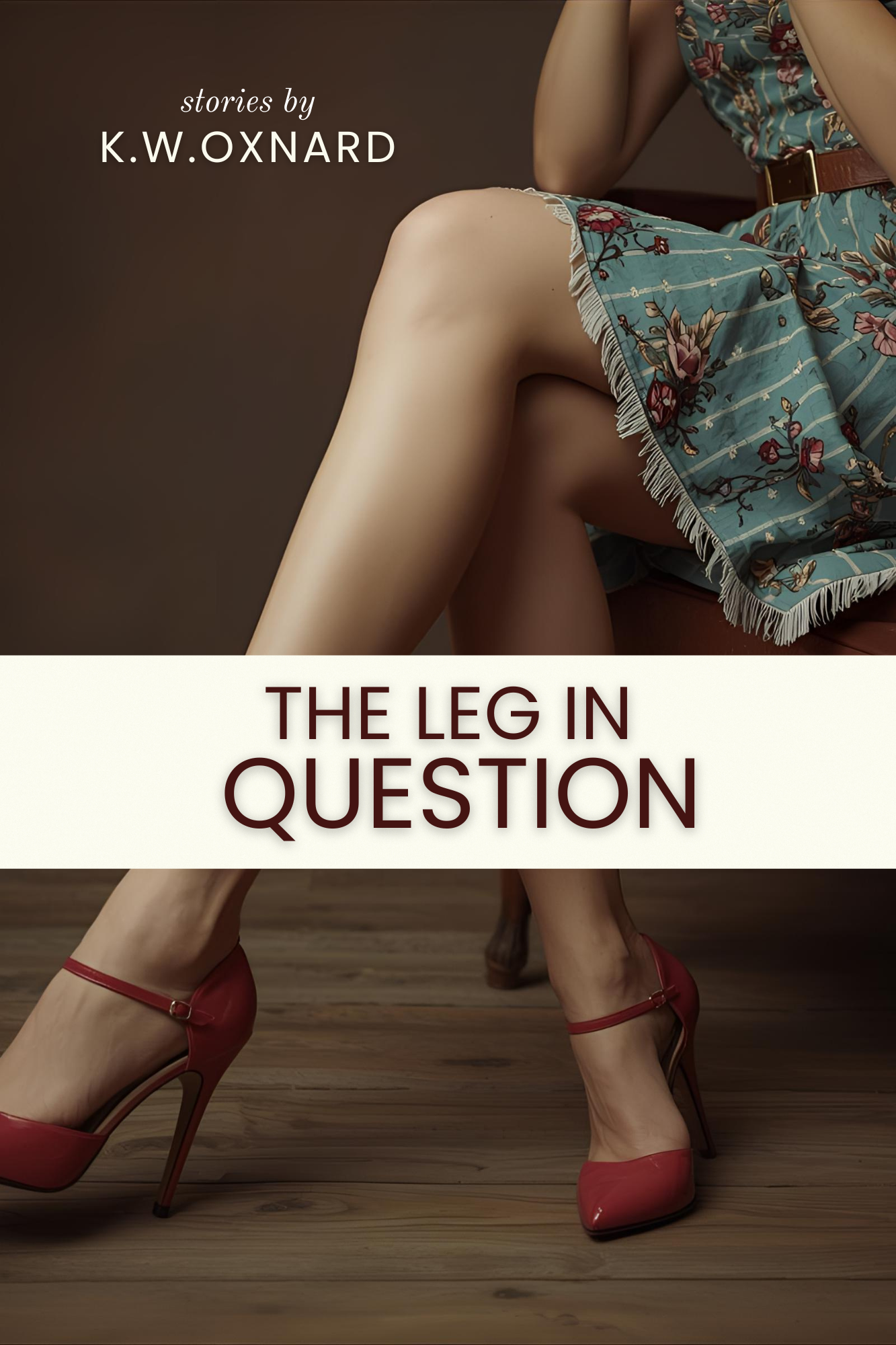
What if the body—your own body, or someone else’s—became the most unreliable narrator you’ve ever met?
From post–World War I New York to pandemic-era Savannah, from the quiet kitchens of Maine to the heat-soaked streets of Malaysia, THE LEG IN QUESTION unravels the strange, haunting, and often darkly funny ways our flesh betrays us. A young woman insists her healthy leg must be removed. A physician faces ghosts of the living and the dead. A mountain cabin turns feral. A debutante circuit shields a gay man on the cusp of a terrifying new epidemic.
Across sixteen stories, doctors and patients collide in moments where the body’s mysteries—its failures, obsessions, hungers, and grief—expose the fragile seams between sanity and longing. These are tales of medicine and mortality, yes, but also of the tender, reckless, astonishing human spirit trying to make sense of it all.
Pushcart-nominated Mick Bennett’s characters deal with unexpected conflicts: a senior citizen tap dances his way into a hot date and a mugging, estranged young lovers unexpectedly reunite at a mental correctional facility, and a father nearly comes to blows with his nineteen-year-old son the night before the wedding. Stories appear in chronological sections—Maturing, Adulting, and Aging. In this eighteen-piece collection, Messes We Made captures both quiet victories and silent defeats.
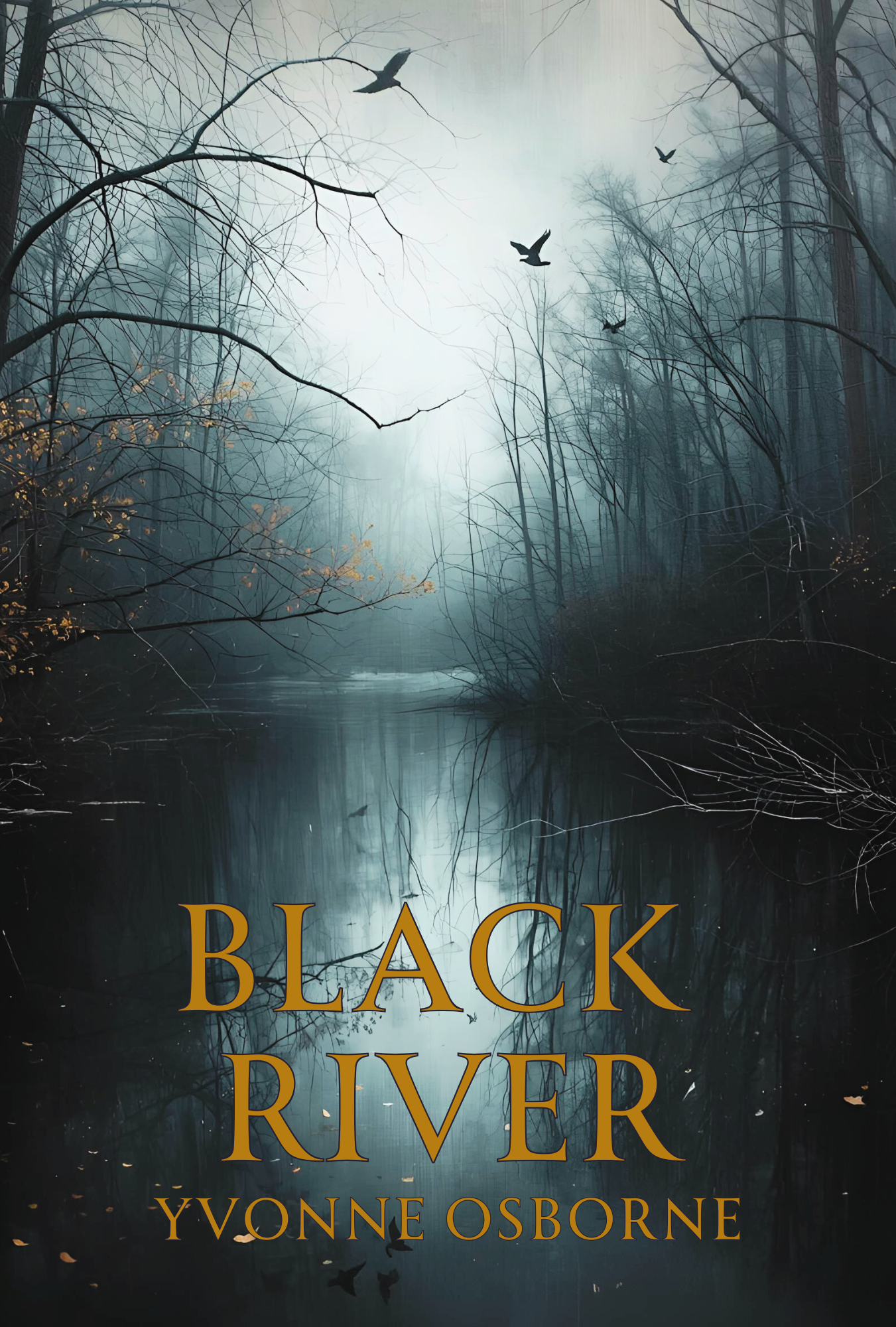
Romance, deception, and murder erupt when the use of modern-day practices pits one farmer who has faith in the ancient wisdom of husbandry against another who uses chemicals, mistreats his animals, and exploits farm workers, while the son of the first and the daughter of the last try to rise above the war that engulfs them.
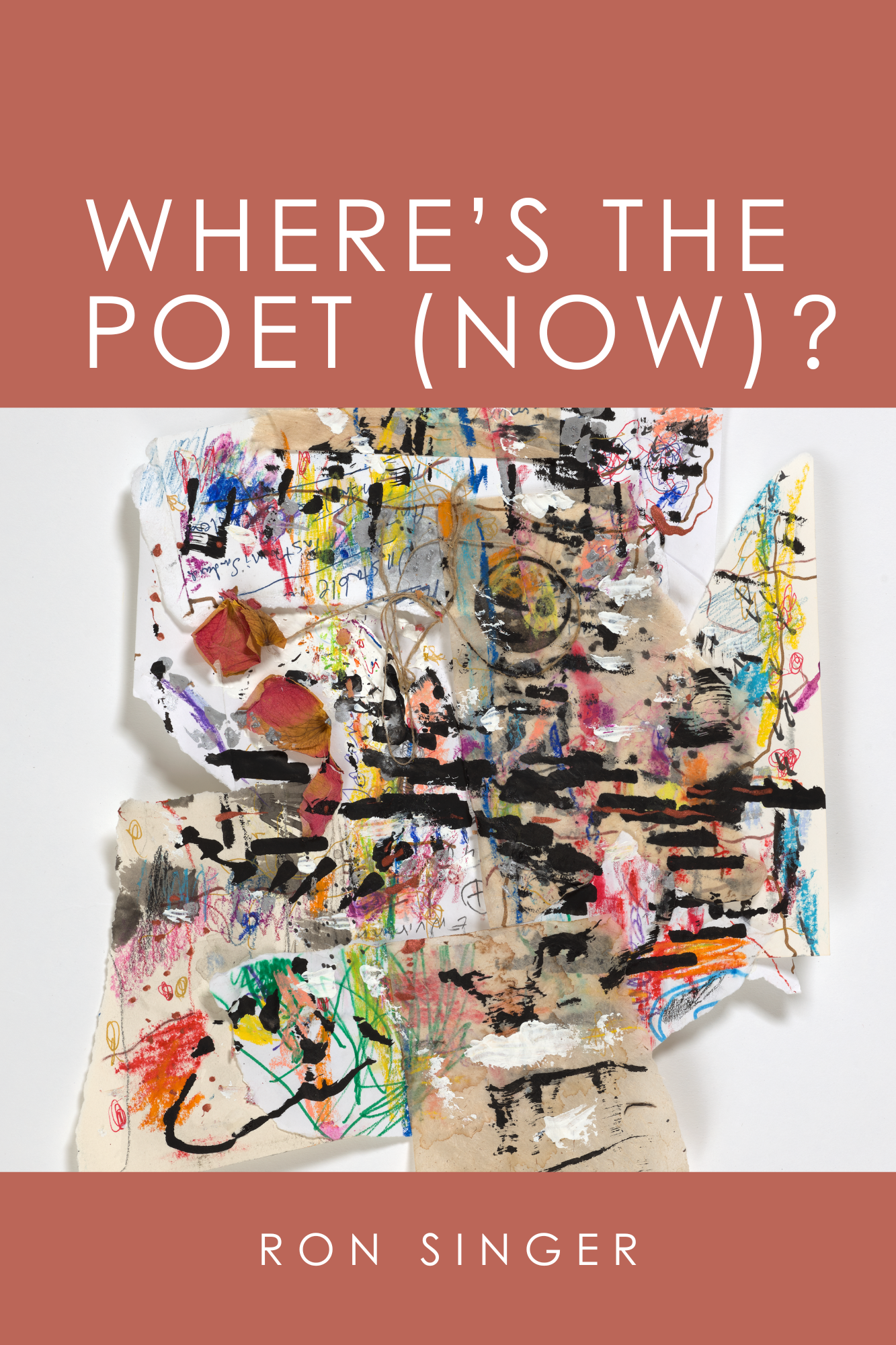
Where’s the Poet (Now)? is a collection of poetry by Ron Singer, specifically culled from his works written between the 1970s and 2023. While Singer’s previous collections have explored the mountains of Maine, the American Southwest, and various African nations, this selection focuses entirely on his "home base," New York City.
Throughout the collection, Singer blends classical allusions (referencing Keats, Virgil, and Milton) with gritty urban reality. He finds the "beautiful city" in its "color and light," while remaining keenly aware of the "gap between rich and poor" and the "abiding civility" that persists despite the city's "construction cacophony" and "siren songs".
Where’s the Poet (Now)? is a humorous, poignant, and exhaustive chronicle of New York City through the eyes of a poet who has spent half a century walking its streets
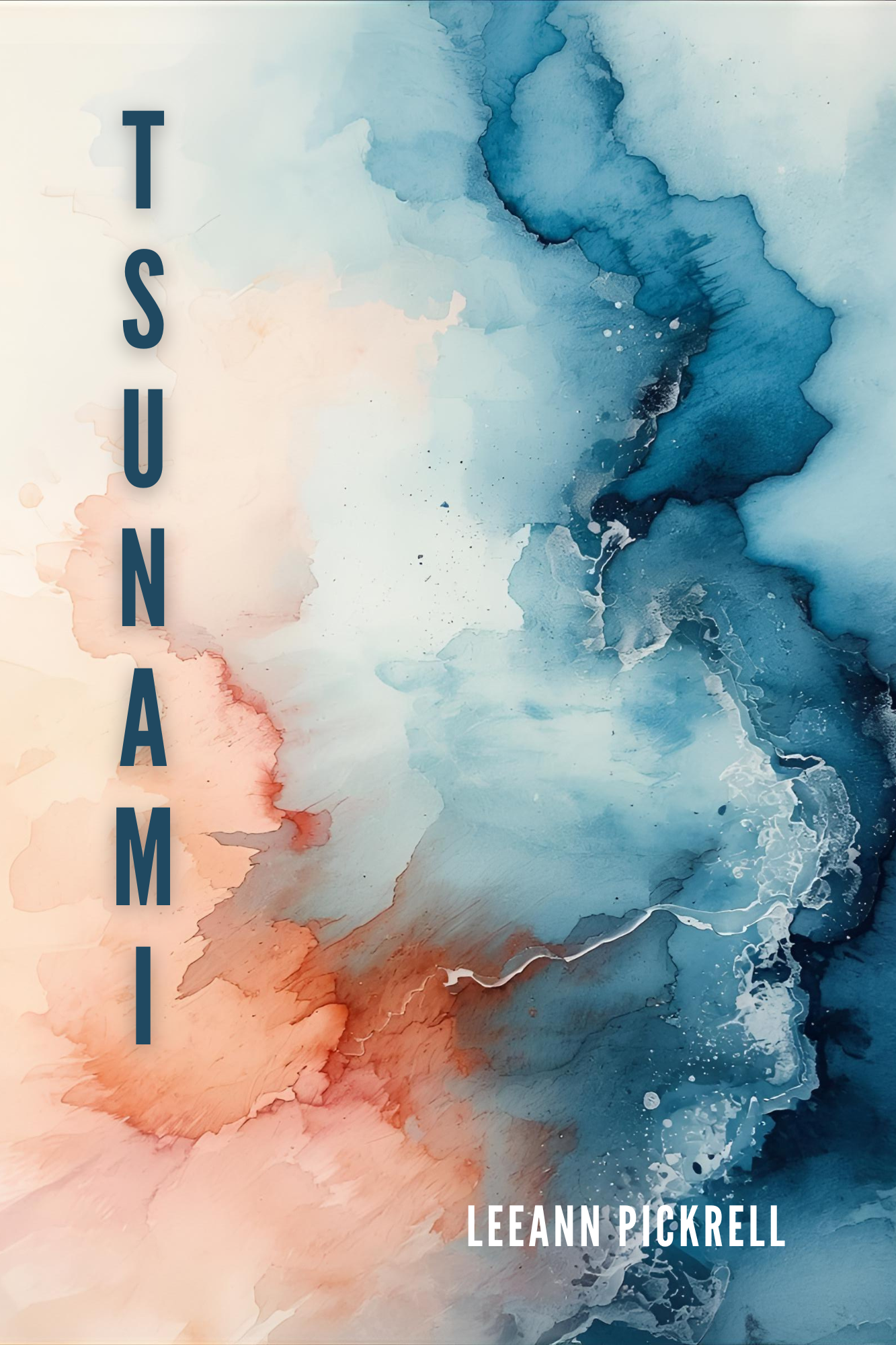
On the morning of December 26, 2004, an undersea earthquake off the coast of Sumatra unleashed a tsunami that tore across the Indian Ocean. In a matter of hours, entire coastlines were transformed and more than 230,000 lives were lost across fourteen countries, from Indonesia and Sri Lanka to India, Thailand, the Maldives, and East Africa. Those who survived carry vivid memories of where they were when the water came. Countless others were never able to tell their stories. Tsunami is one woman’s account of that day and the long, uneven aftermath that followed.
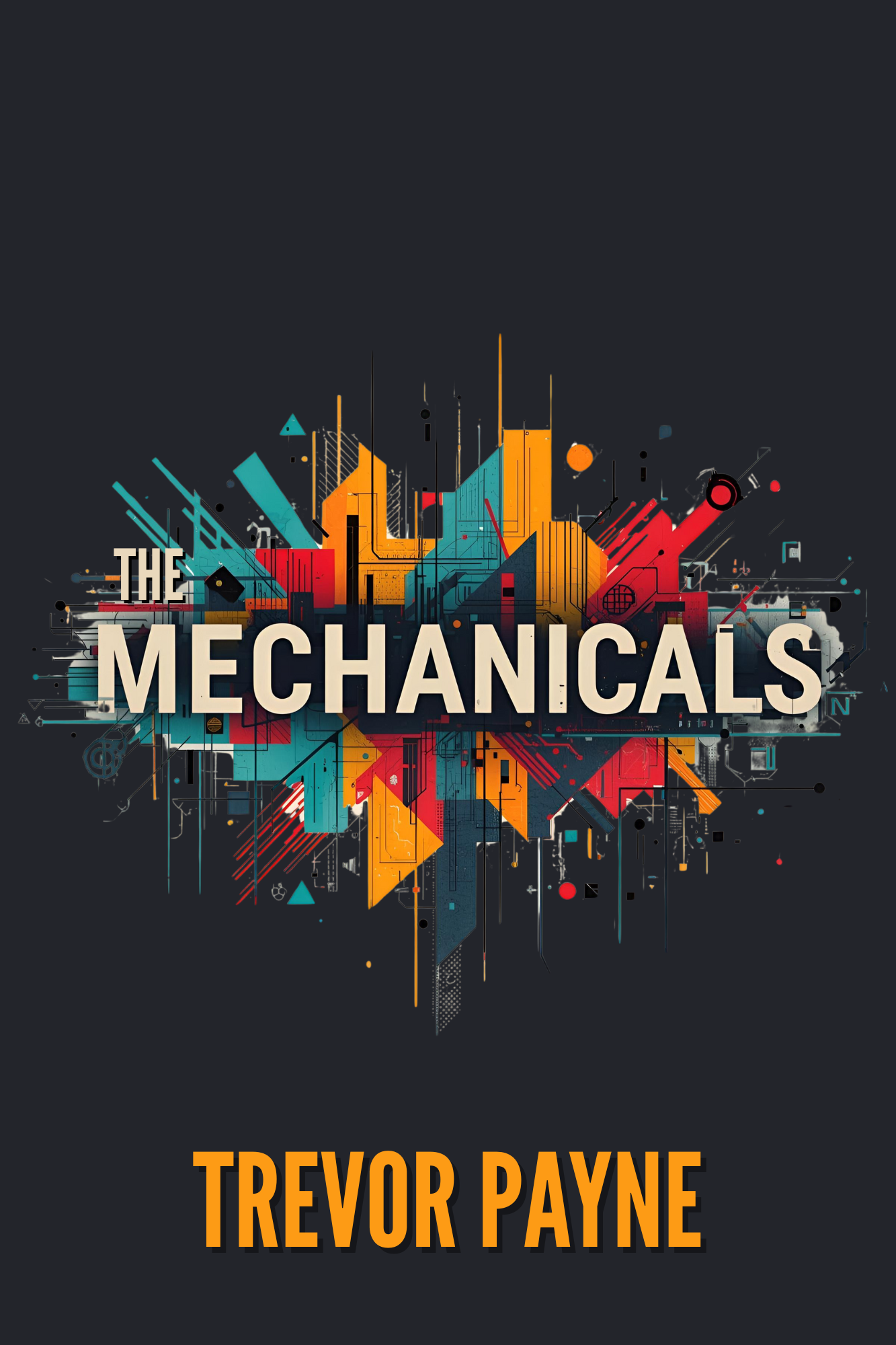
The Mechanicals is a modern-day love comedy tracking the journey of a young couple, Jackie and Norman, who are brought together by an unplanned pregnancy, the imperative of family allowing them to survive their wild and unsettled twenties and their functionally alternative thirties, ultimately leading them to a deeper understanding of what they have come to mean to each other. The event that catalyzes this outcome is the death of Guy Roche, the world champion MMA fighter Norman becomes friends with through his work as a feature writer for a men’s magazine, Voyeur. Through helping Guy’s family decide what to do with his estate, Norman and Jackie become closer to Guy’s widow, Natasha, a former adult film star who models for them her intuitive understanding about how to exist in the messiness of the universe.
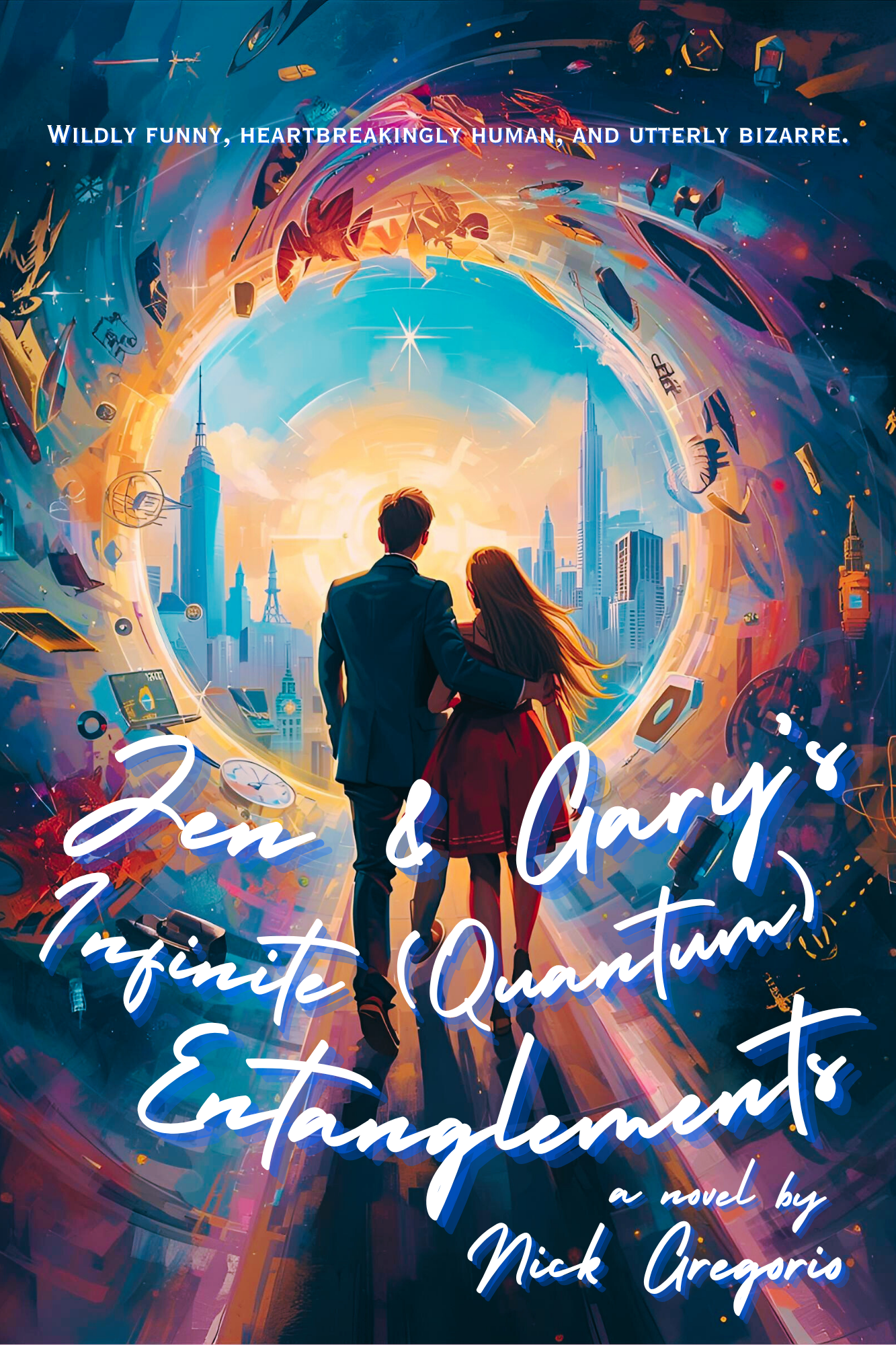
Jen & Gary’s Infinite (Quantum) Entanglements is a multiversal romantic comedy that’s as zany as it is heartfelt, as vulgar as it is sexy, as violent as it is sweet, and as funny as it is sad. It’s a story that takes “love comes in many forms” both literally and figuratively, showcasing it in the most unique and bizarre ways possible. Beneath the chaos, the book pulses with heart (and maybe even a little insight) that makes the wild premise worth the ride.
Cleah Lucky was a handful in life. In death, she is even worse. When her three estranged children gather for the reading of her will, they expect complications. They do not expect a master list of demands. Holiday gatherings. Approved menus. Required outfits. Designated games. A theme song. And a rotating custody schedule for her urn. Thanks to a legally airtight trust, they cannot collect a cent unless they cooperate. As the siblings attempt to honor their mother’s absurd instructions, resentment builds, alliances shift, and their grip on patience stretches paper thin.
A sharp and heartfelt story about what we owe the people who raised us and the price of getting what we think we deserve.
Exodus with Red Delicious by Brook Bhagat is a ferocious feminist poetry collection—unyielding, confrontational, and impossible to look away from.
“A cool premise.”
— Andy Weir, The Martian
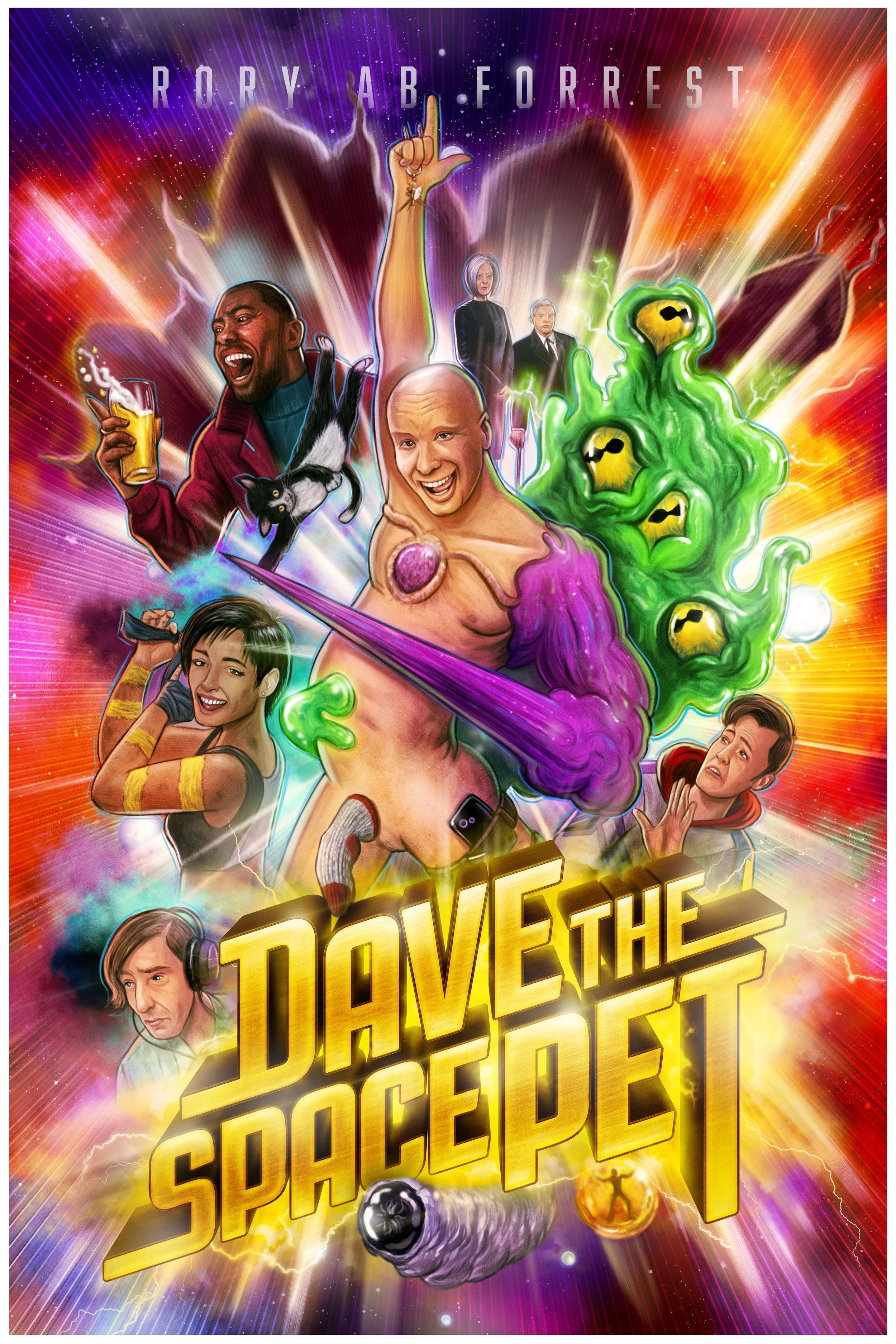
On a rare night out, painfully nerdy accountant Dave is abducted from a dive bar bathroom by aliens he can’t communicate with. Convinced he’s been chosen for some cosmic purpose, he interprets training, collars, and playtime as signs of heroic destiny, unaware that he’s actually their pet. Dave, the Space Pet is a hilarious, tender inversion of the sci-fi adventure that asks what happens when being “chosen” means being cared for.
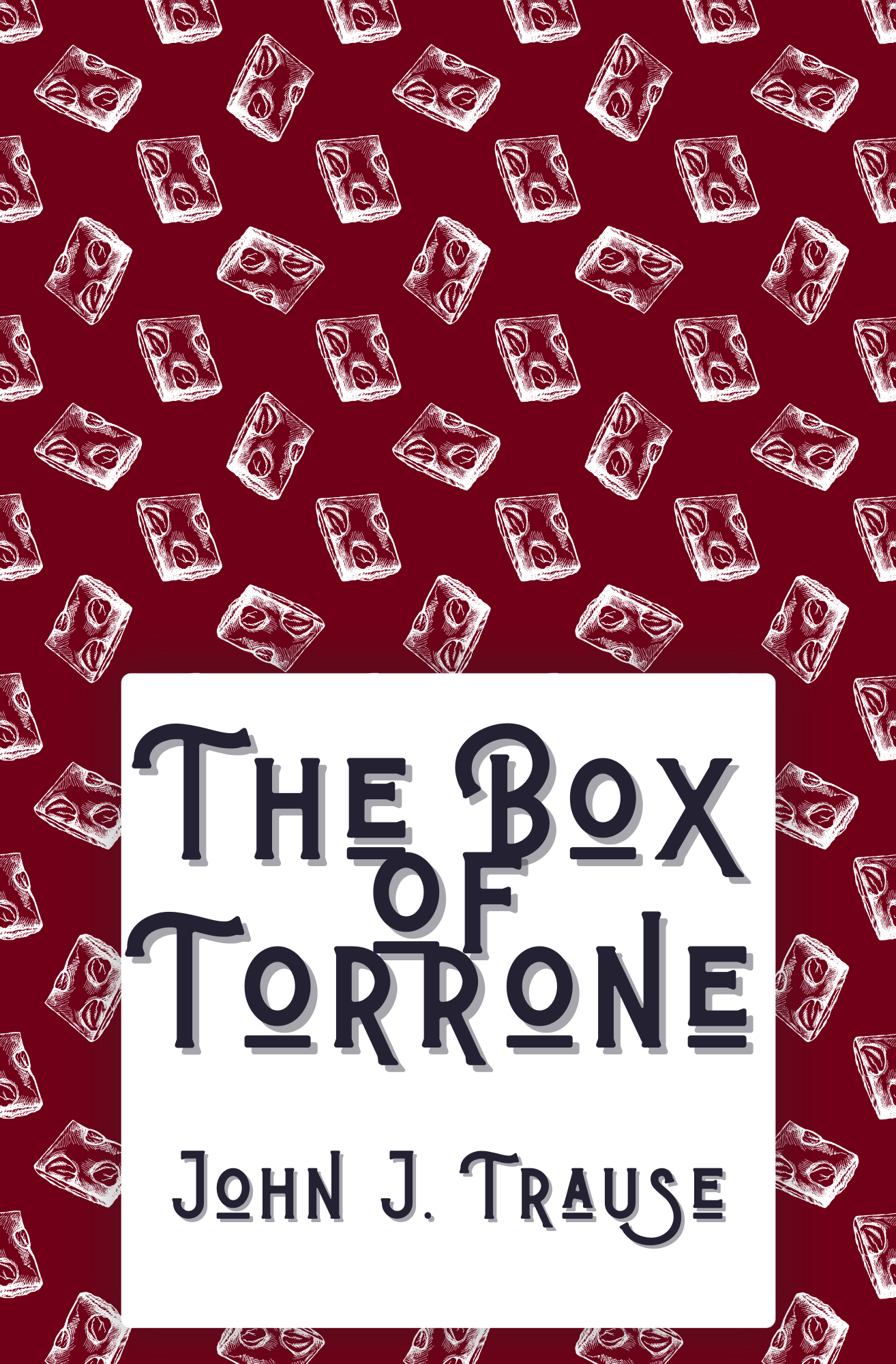
The Box of Torrone is a singular collection of poetry that unwraps six distinct flavors of Italian nougat—each one linked to a different city in Italy, each one a doorway to memory, place, and emotion. Inspired by a real box of torrone gifted by the author’s beloved Italian aunt, this book blends the sensual with the historical, the cultural with the deeply personal. Over the years, these poems have ripened into a rich mosaic of Italian landscapes, tastes, and traditions, inviting readers to savor a poetic journey steeped in love, nostalgia, and aesthetic wonder. The Box of Torrone is both intimate and expansive—a passport for the senses, perfect for anyone longing to travel by tongue, heart, and verse.

A Slice of Orange: loving and leaving the Osho/Rajneesh cult is a tale of spiritual discovery that goes horribly wrong. In search of bliss and belonging, Nicola Ranson travels from her Canadian convent school to India, and then to the cult headquarters in Oregon where she was on security duty when the FBI uncovered the source of the largest domestic bioterrorism attack in modern U.S. history. Forty years later, she shares her deeply personal experiences of the free-love utopia that devolved into conspiracy, poisonings, and attempted murder.
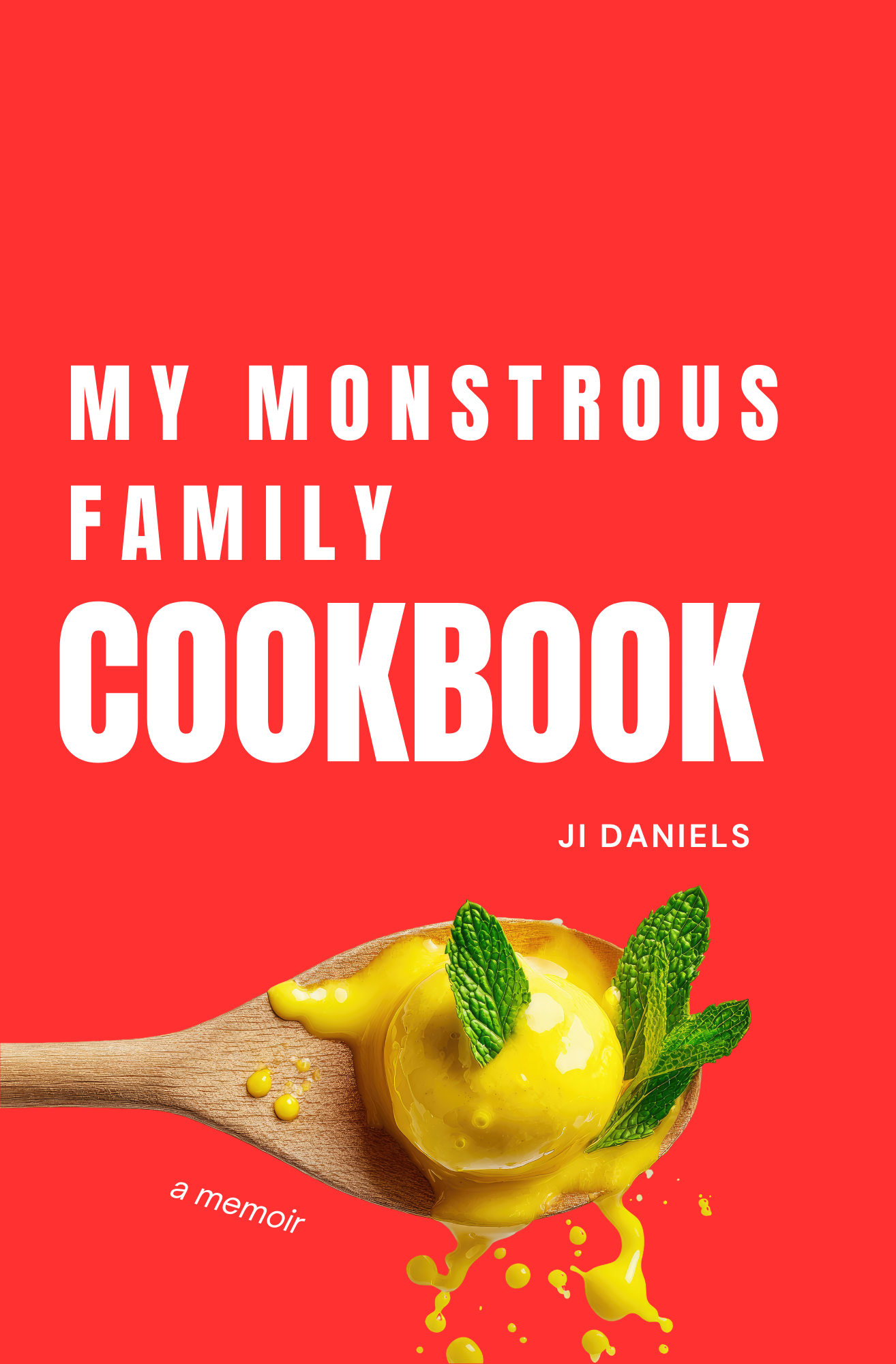
My Monstrous Family Cookbook is a hybrid memoir that uses the structure of a cookbook to explore family trauma, memory, and survival. Each recipe functions as an essay, transforming food into a language for what cannot be spoken. Darkly funny and emotionally incisive, the book interrogates masculinity, inheritance, and the costs of silence.
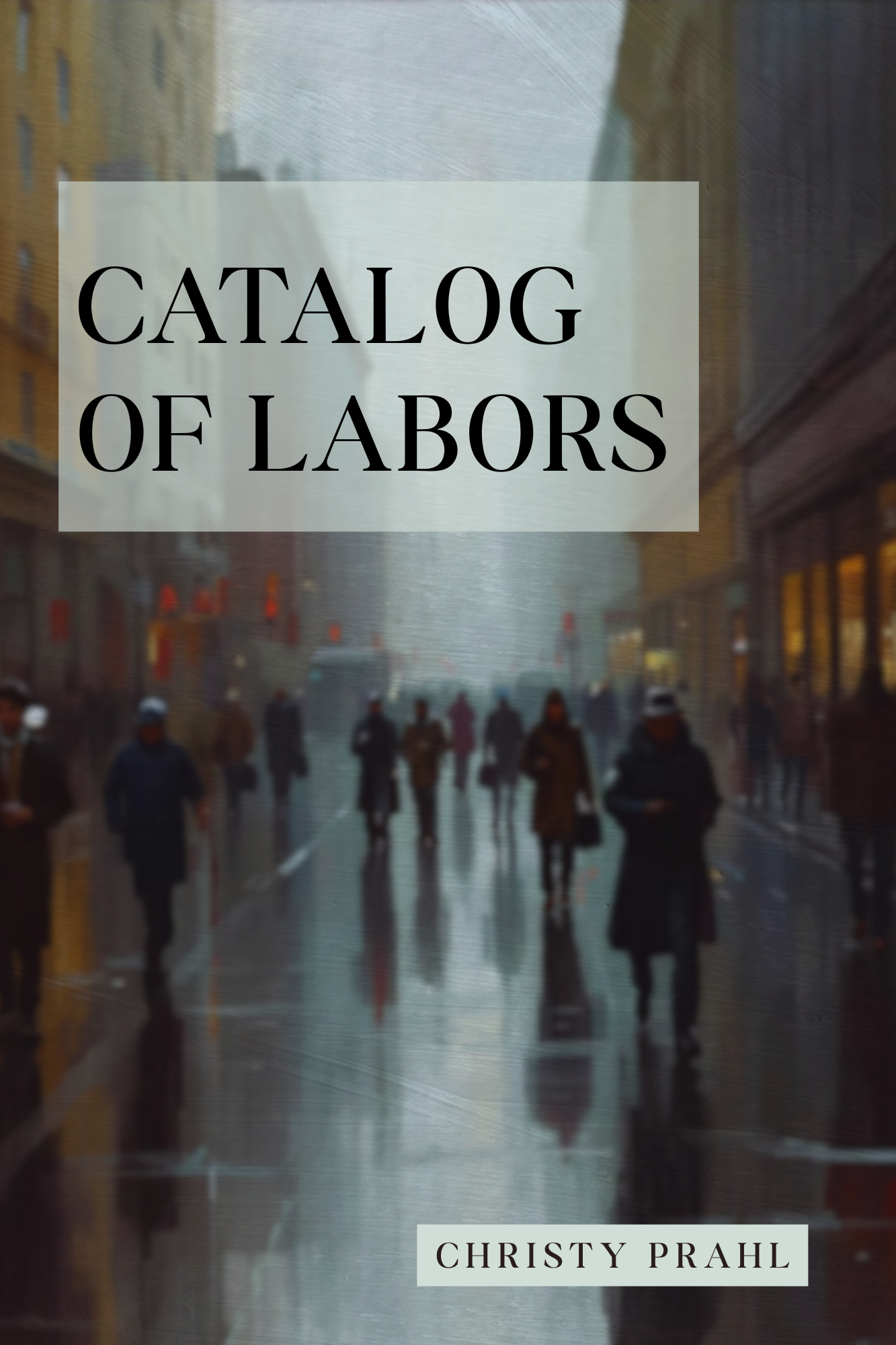
Catalog of Labors, a meditation on the complexities of day-to-day work, is the third published collection by poet Christy Prahl. With subjects ranging from bank teller to barista, train engineer to university professor, these twenty portraits give voice to the complexities of the human spirit engaged in day-to-day production. In the end, the collection serves as a love letter to American labor and the imaginative muscle that keeps it ticking.
et al. by Andrew Brenza is a daring work of erasure, carved from the bones of a discarded dark fantasy novella and reborn as an experimental epic. What emerges is a haunting narrative poem—a surreal journey through a shifting, Sisyphean mindscape where meaning flickers, dissolves, and reassembles. Both intimate and expansive, et al. pushes the boundaries of erasure poetry, transforming failure into fertile ground for myth, memory, and the uncanny.
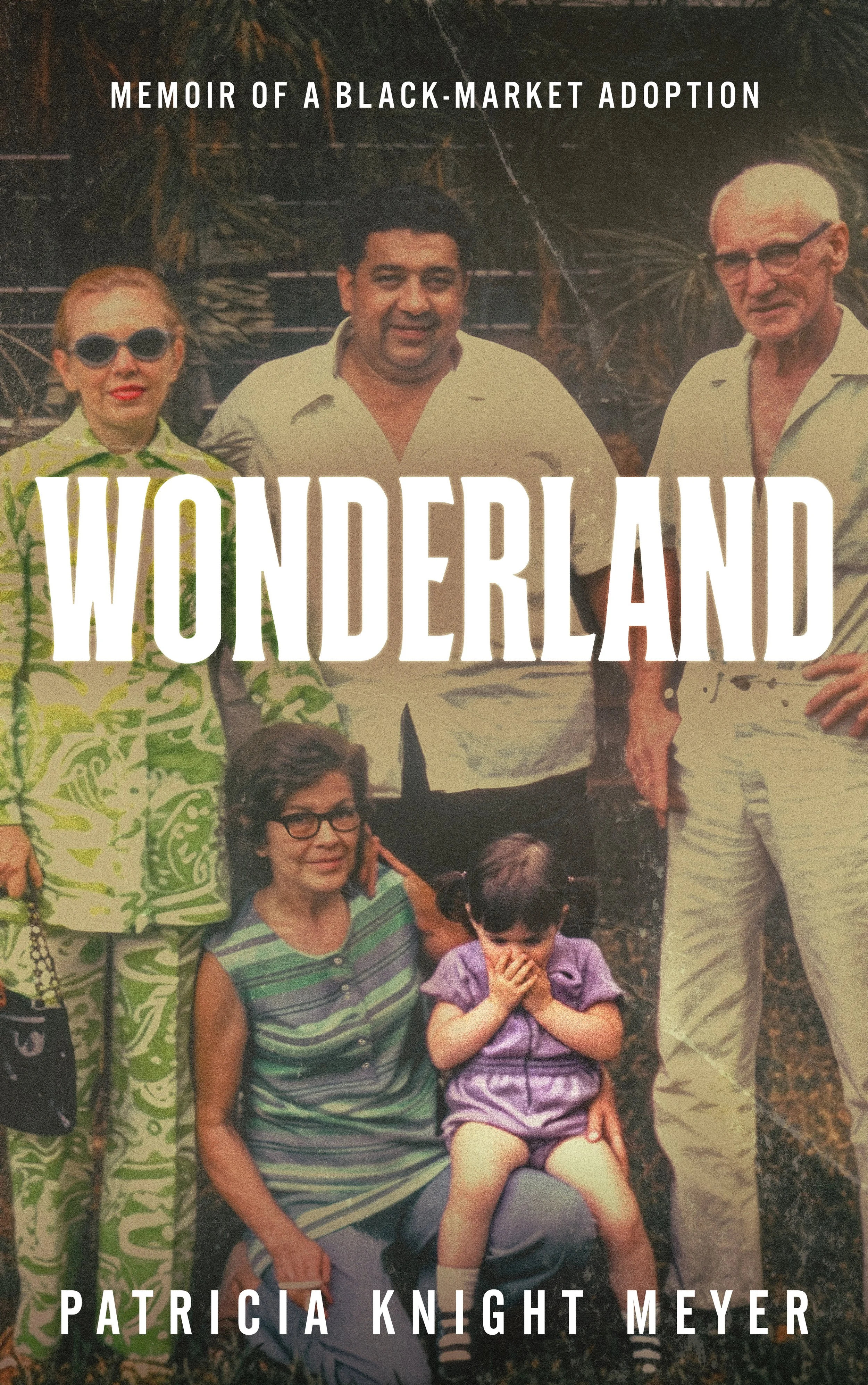
IndieReader Award Winner, True Crime
Recited to her like a fairy tale, Patricia’s “adoptive” mother loved to tell the story about the snowy January day in 1970 that she and her husband pulled up along a Houston, Texas hospital curb and drove away with their brand new baby. Yet Patricia would grow up celebrating a made-up birthday, haunted by nightmares of "The Dark Man." At 12, when her parents confess they never received her birth certificate, questions mount about alleged extortion and the impossible choice they say they faced: go to the police and report the shady attorney that acquired the infant or stay silent and meet his demands. Did they really dole out $30K to keep their paperless child? Such revelations compel young Patricia to wonder how she came into this family—no judge, no paperwork, no questions asked—and lead her on a quest to discover "Who In the World Am I?"
Navigating her bipolar mother's alcoholism and caring for her disabled 600-pound father, Patricia spends her teen years trying to save her saviors—unaware of the lifelong threat haunting them: at any moment, someone could come back for their child.
At eighteen, pregnant and standing in her birth mother's shoes, Patricia discovers a shattering secret that launches a lifetime search for answers. But it takes decades—and her adoptive mother's death—before Patricia realizes those holding the truth won't live forever. Guided by her mother's ghost, she races to unlock a labyrinth of lies designed to erase her true identity.
A tumble down the rabbit hole of America's baby trade, part detective story, part searing family portrait, Wonderland exposes what happens when adoption's house of cards finally falls—when missing documents and dark family secrets can no longer withstand the weight of one woman's relentless search for truth. A haunting reckoning with Baby Scoop Era exploitation that asks: are we ready for Baby Scoop 2.0?
Also a finalist for the 2026 Eric Hoffer Award, the 2026 Indies Today Award and the 2026 Next Generation Indie Book Award.
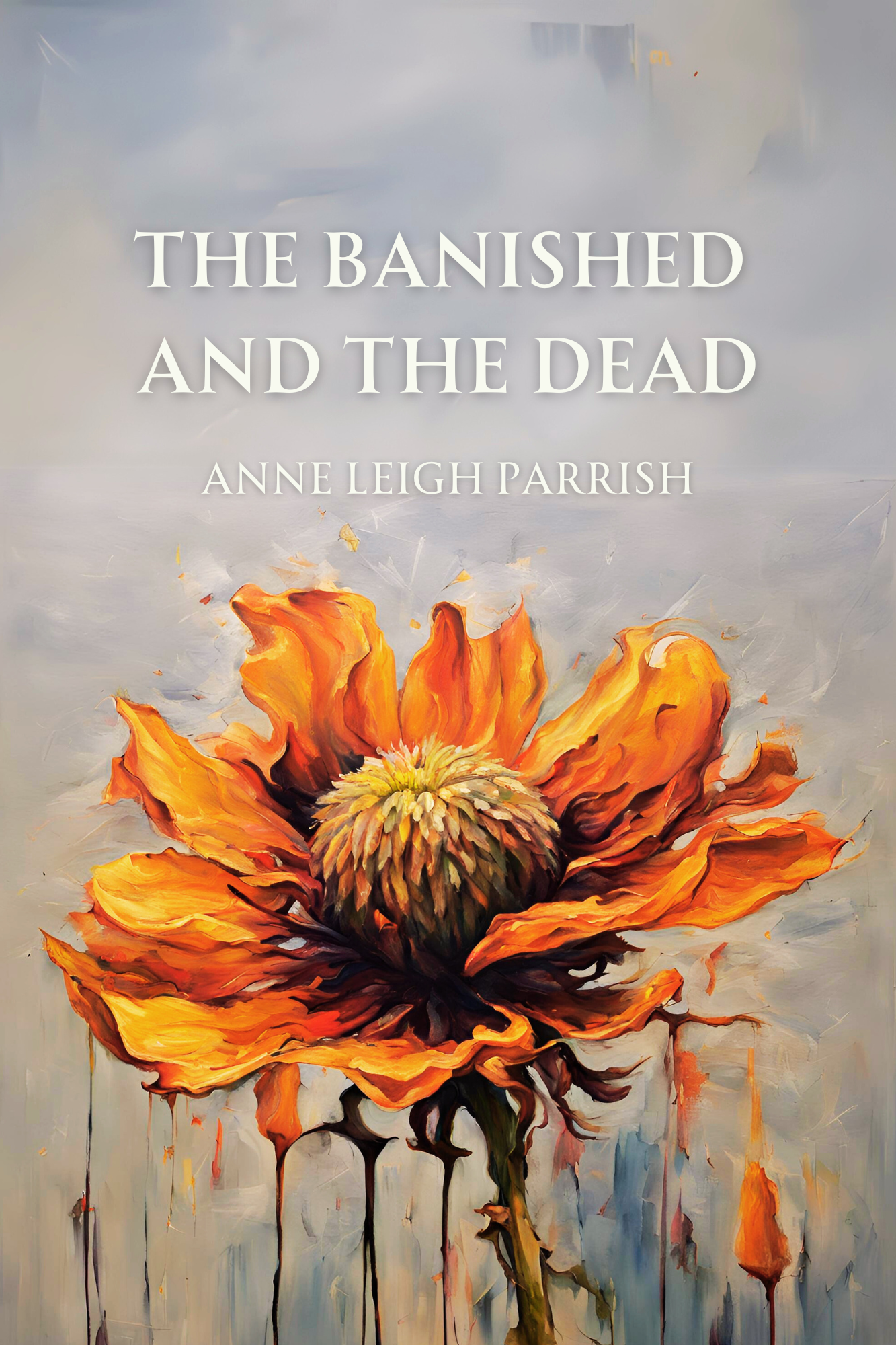
Anne Leigh Parrish’s latest poetry collection delves into the depths of grief, exploring the nuances of loneliness and loss with an elevated, thoughtful voice. Yet within its pages, there is also joy—a celebration of the world’s beauty, where art and nature rise to meet sorrow, challenging despair. Here, those who have wronged us and those we have wounded do not seek forgiveness, only remembrance. Accompanied by twenty stunning illustrations from Kathryn Gerhardt, these seventy-eight poems invite readers on a journey where emotion and observation intertwine, balancing passion with a keen eye for truth.

Exploring the relationship between death and decay, life and rebirth, Matter’s Edge examines the spaces in between. Through meditations on political and social unrest, environmental change, personal heartbreak and loss, the collection asks readers to consider physical, spiritual, and existential limits. However, at despair’s edge, the book wonders: can one discover and embrace beauty, hope, and love?
Kirkus Reviews calls PEOPLE RUIN RVERYTHING “A profound rendering of life’s foibles conveyed in sharp, personal fragments.”
People Ruin Everything is a literary short story collection exploring love, loss, and the quiet wreckage of human relationships. Through moments both realistic and faintly magical, Anne Leigh Parrish examines broken marriages, missed chances, and truths revealed too late. These stories linger in the space where desire, regret, and compassion collide.
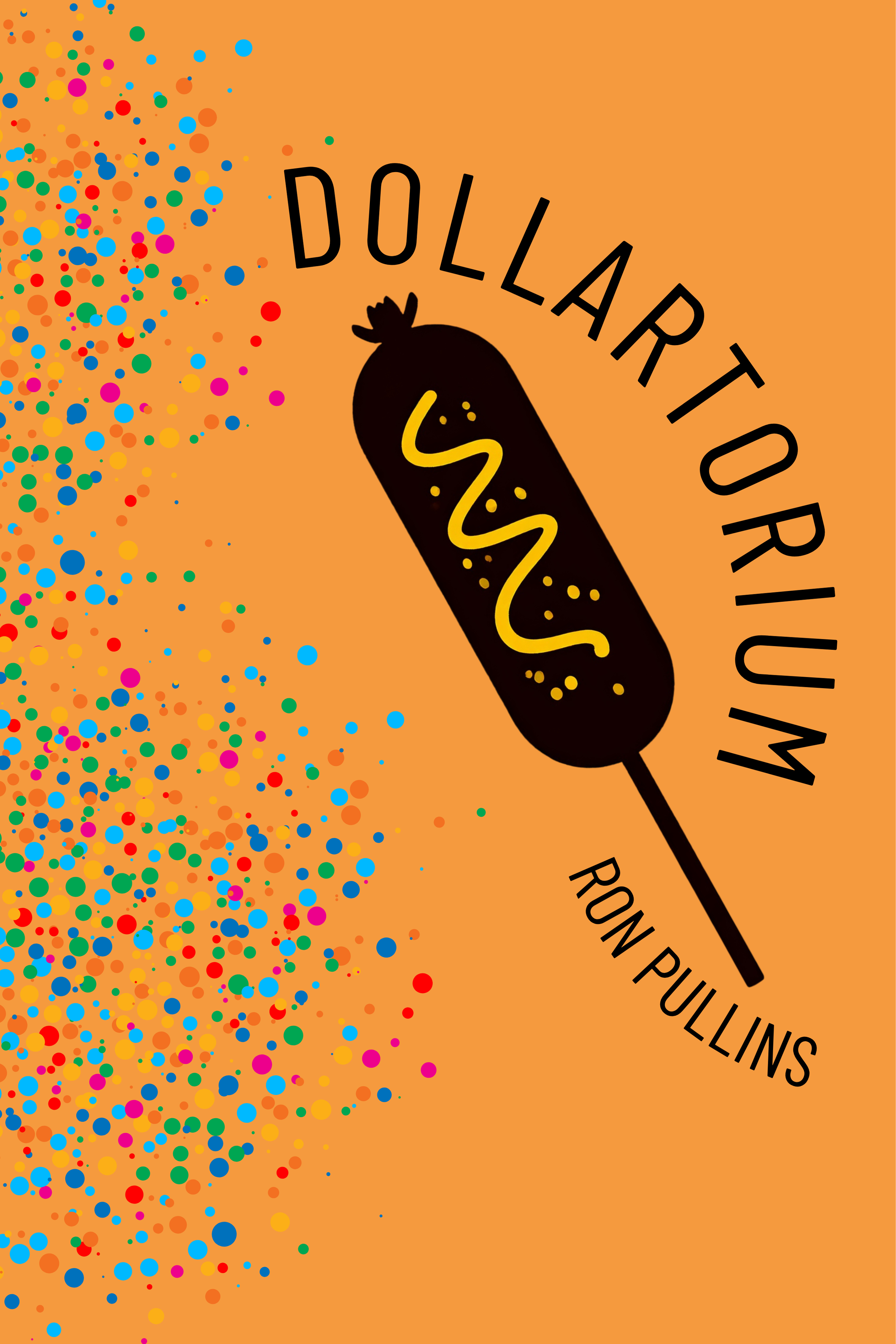
Ralph makes world-class corndogs in a small Kansas shop. It’s humble work, but honest. The problem? The bills pile up faster than the money rolls in, and Ralph can’t help but notice the widening gap between the haves and the have-nots. In Dollartorium, named a 2026 IPPY Book Awards Finalist, Ron Pullins takes that pressure and turns it into what Kirkus Reviews calls “a boisterous and thoughtful journey through the absurdities of modern capitalism.”
As Ralph puts it:
“As far as I can tell, the rich are getting richer and the poor are getting… what? Screwed? If I think about it too much—my situation, the way the money runs out before the month does—I start wondering if anyone’s even paying attention. And if they are, I’m pretty sure I’m at the bottom of the heap.”
Ralph’s wife has had enough. She’s determined to get rich, one way or another. So when an infomercial for the “Dollartorium” promises untold wealth through a few simple business courses, Ralph reluctantly agrees to give it a shot.
Soon he’s learning how to hire, fire, market, and hustle his way to success. And for a while, it works—until the entire Dollartorium empire collapses under the weight of its own greed.
In the end, it’s Ralph’s daughter, Stella, who saves him. With her help, he finds his way back to what really counts: honest work, family, and the best damn corndogs in Kansas.
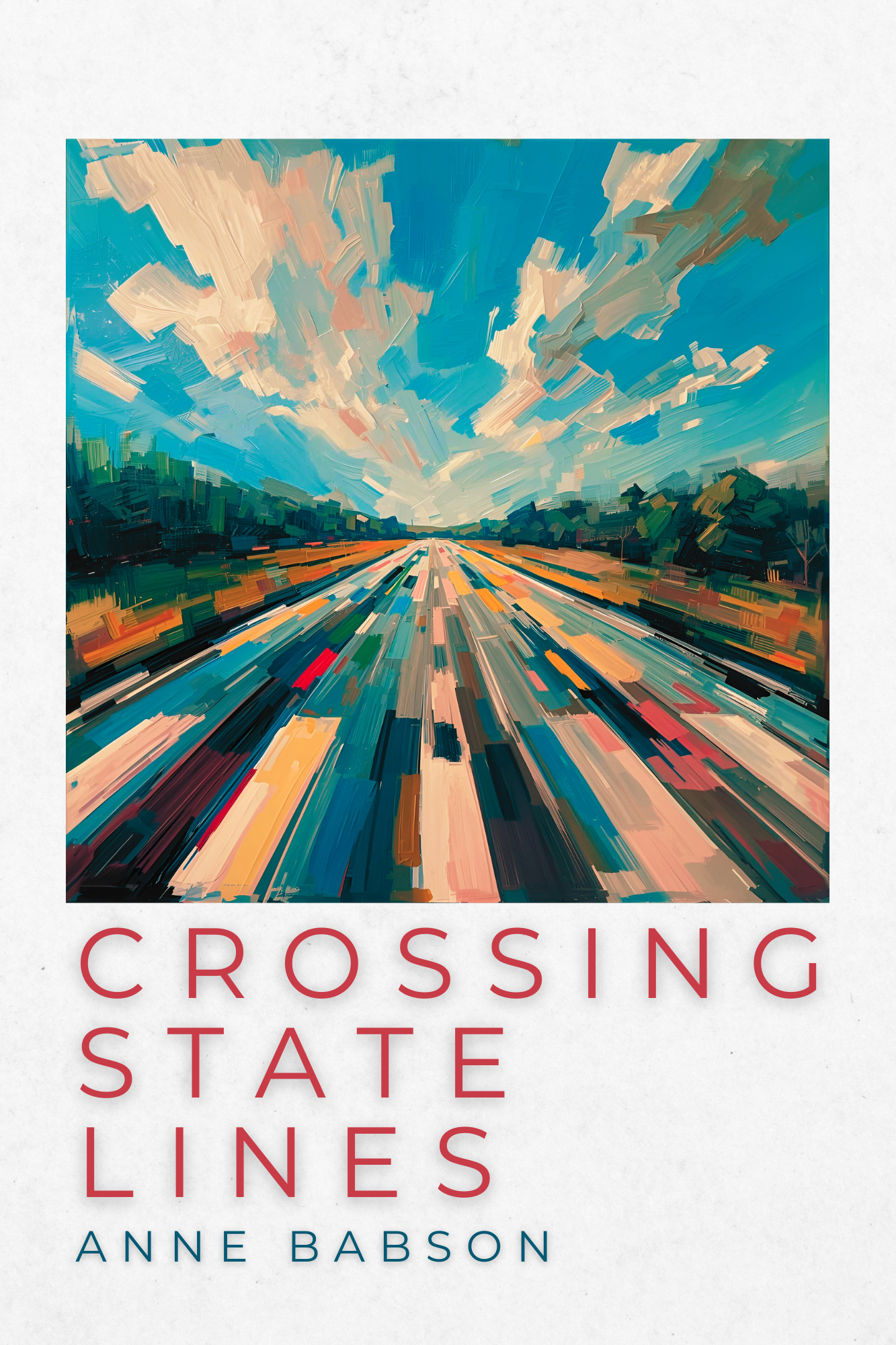
In Anne Babson’s Crossing State Lines, the boundaries of time, geography, and political identity dissolve in a sweeping poetic odyssey through the American psyche. At its heart, the collection is a surreal "time capsule," where the ghost of Walt Whitman and the very real figure of Liz Cheney navigate a nation teetering between its mythic past and an uncertain, "post-factual" future.
Moving from the gritty, "zombie-walked" commutes of Manhattan to the expansive, brutal beauty of Montana, Babson explores what it means to be an American across the centuries. Whitman, the "patient optimist," is resurrected to witness the modern era—encountering everything from TSA scanners and glowing "boxes" of digital melodrama to the looming scent of civil strife. Meanwhile, Liz Cheney emerges as a figure of quiet, muddy-booted resolve, fishing on Wyoming lakes and reflecting on the "end of history" while grappling with a country divided by "obvious lies" and the echoes of her own family legacy.
Through a rich tapestry of forms—from ghazals and rondels to gritty free verse—Babson weaves together the voices of immigrants at Ellis Island, exhausted Midtown office workers, and historical figures like Phillis Wheatley. Crossing State Lines is a defiant, lyrical meditation on honor, the "commute" between our dreams and reality, and the enduring hope that we might still find common ground.
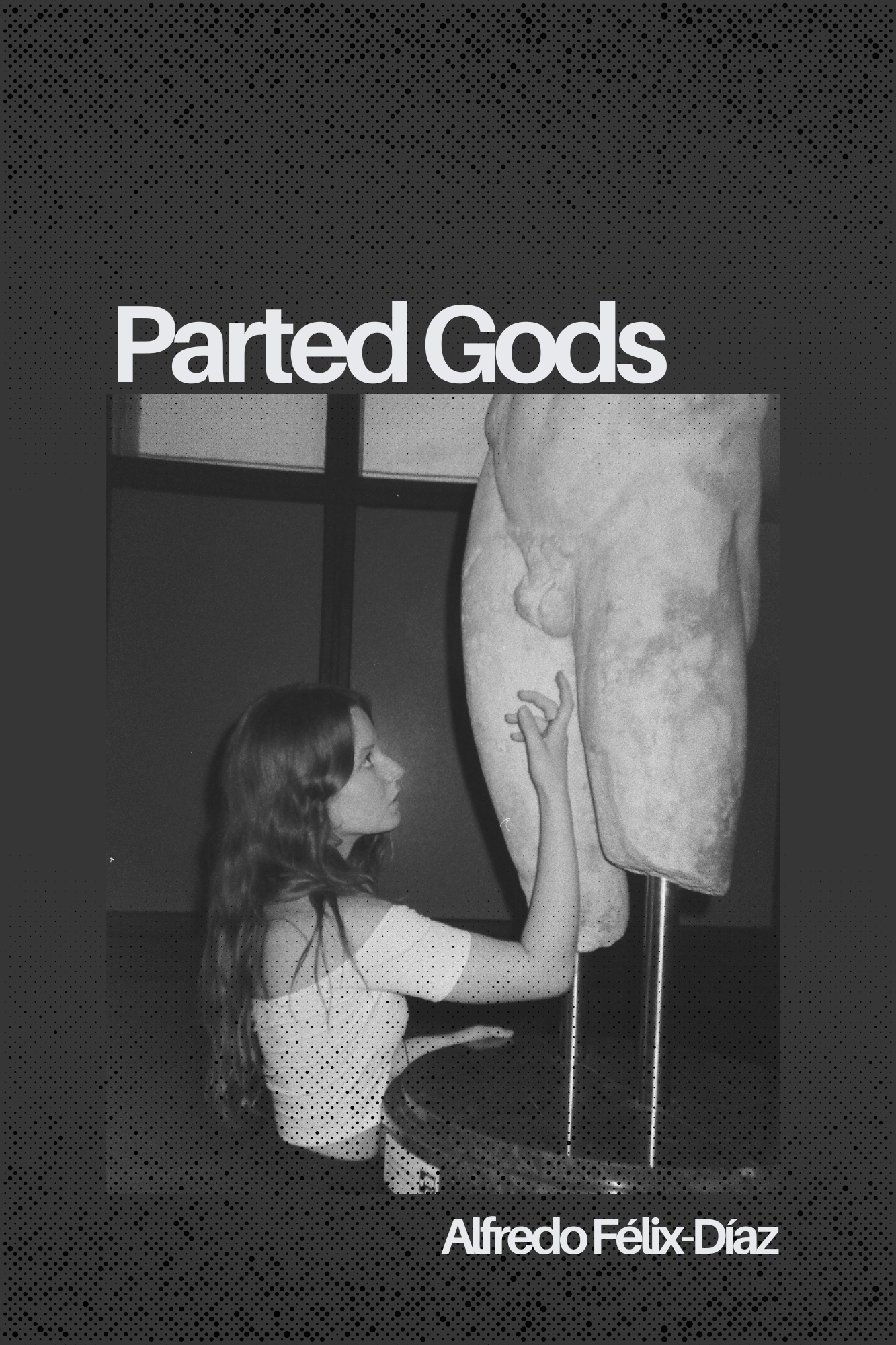
PARTED GODS opens in the suspended breath between life and impact, a van, a sunset, a body lifted into the air, and from that instant unfolds a story that refuses to sit still. Antonella Adamo, a celebrated painter on the edge of collapse, finds herself slipping into the memories of her twin brother Federico, a jazz pianist finally stepping into the light. Together they move through Berlin’s restless art world, the myth stained shores of Sicily, and a final reckoning in New Orleans where love, art, and fate collide.
What begins as a narrative of twins becomes something stranger and more mythic. Parted Gods asks what it means to be split from the person who completes you and whether art can repair the fracture or only deepen it.
Félix-Díaz brings a cinematic sensibility shaped by his work in theater, poetry, and screenwriting. The result is a novel that moves like music, lyrical, urgent, and deeply alive. Parted Gods feels as expansive as myth and as intimate as memory.
What We Say Before the End brings together two interlinked novellas and a dramatic screenplay that examine how people survive love, illness, trauma, and moral compromise. From an aging man’s radical final act of devotion, to a lifelong struggle to reclaim voice through art, to a politically charged crime story that exposes the cost of truth, each work confronts the limits of care, silence, and power. Together, they form an unflinching meditation on what it means to endure, to speak, and to give everything when no clean choices remain.
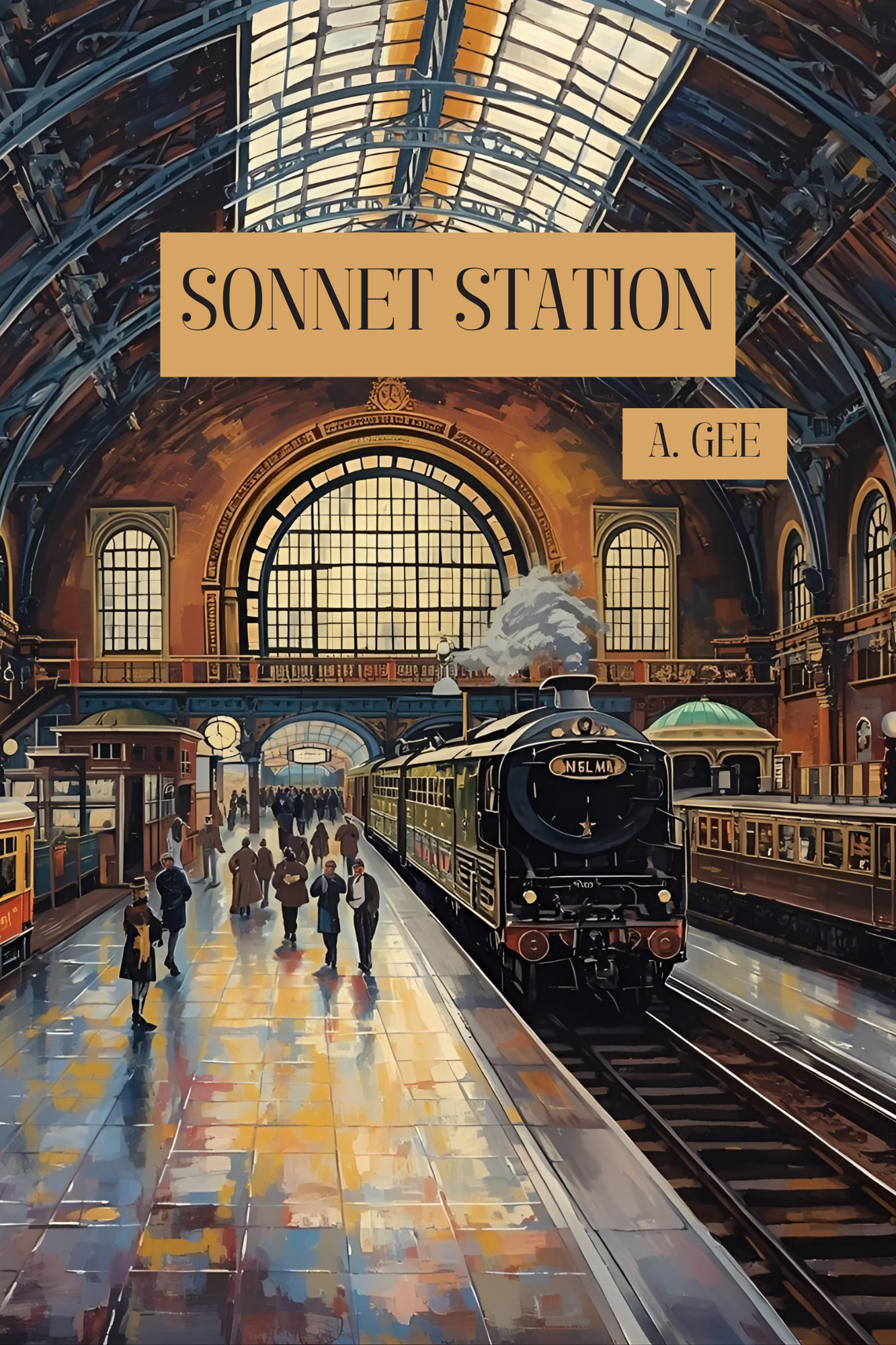
Sonnet Station takes classical sonnet forms—Shakespearean, Petrarchan, Pushkin—and throws them into delightful chaos. Tradition collides with time-travel paradoxes, noir twists, prayers, mythology, jokes, literary commentary, and even the occasional letter to the editor. Love is everywhere, as is the occasional, perfectly timed F-bomb.

What if your shot at redemption came painted across the hood of a car?
John Williams had it all—until one drunk drive left his career and reputation in ruins. Now the once-celebrated Charleston adman is down to a single client: a sleazy hustler who thrives on scandal. Just when John thinks he’s hit bottom, he inherits a vintage sports car covered in vivid, hand-painted scenes from the life of Christ. To his client, it’s the perfect PR stunt. To a fiery single mother with a strong south-of-the-border accent and unshakable faith, using the car this way is a sin. Torn between exploitation and reverence, John must navigate temptation, truth, and his own battered conscience to discover whether salvation is something he can sell—or something he has to earn.
When everything collapses at once, survival becomes an act of love.
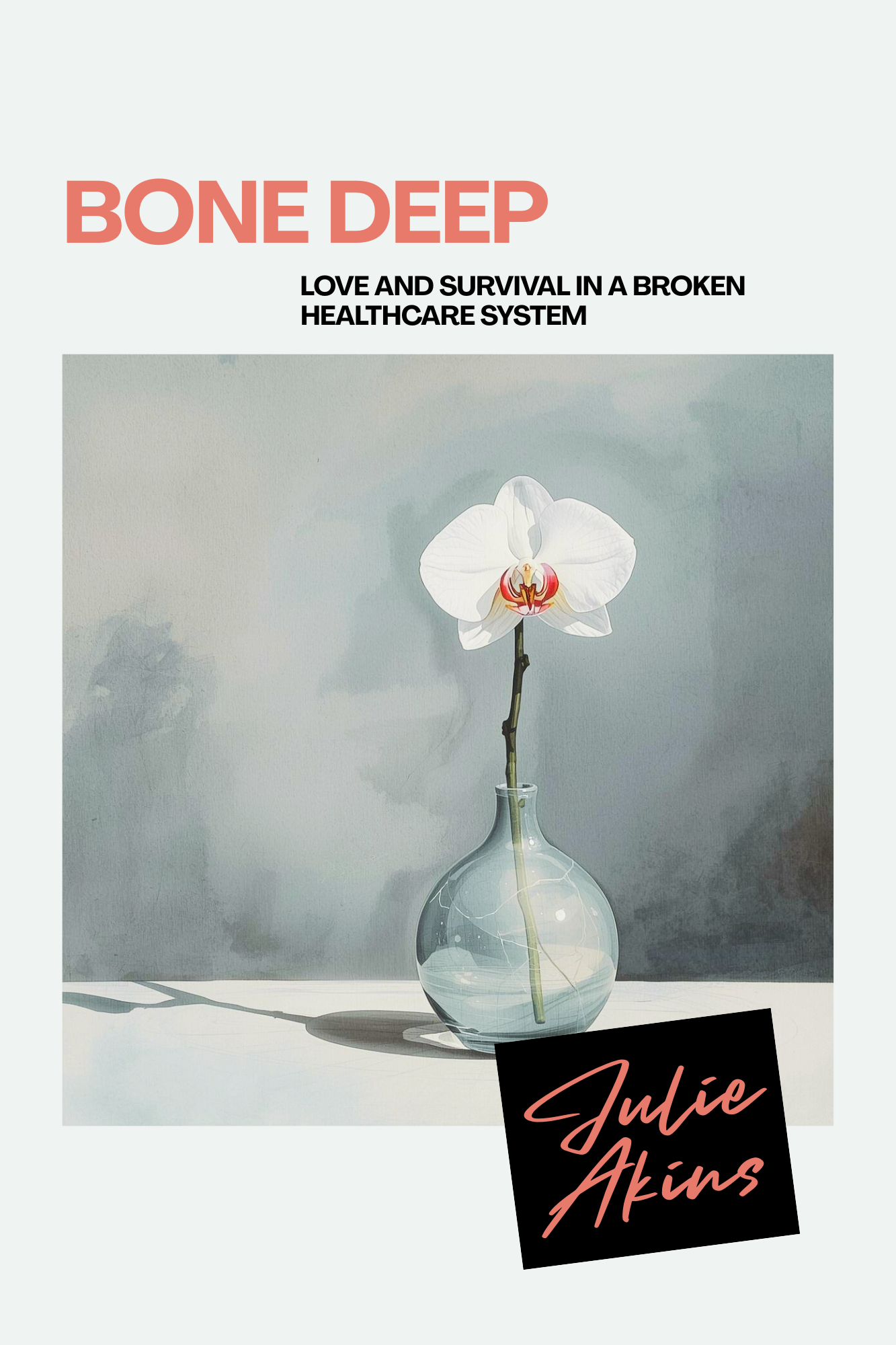
After Julie Akins’s husband, Leo, suffers a devastating stroke, she becomes his caregiver, advocate, and lifeline. Then Julie’s own body begins to fail. A specialist raises the possibility of a slow-moving cancer, but no one provides a clear diagnosis or coordinated path forward. As her town burns and her career as mayor of Ashland, Oregon, begins to unravel, Julie finds herself trapped between public responsibility and private catastrophe, fighting for two lives inside a healthcare system defined by delay, fragmentation, and indifference.
At Mayo Clinic, after nearly two years of uncertainty, Julie finally receives an answer: she does not have terminal cancer. She has a treatable mast cell disorder. The news offers relief, but it also exposes a devastating question: Why should attentive, coordinated care feel like a miracle?
Drawing on her experience as a journalist, public official, patient, caregiver, and Zen practitioner, Julie connects her family’s struggle to the wider forces of medical debt, homelessness, aging, and institutional collapse. Yet Bone Deep is more than an indictment of American healthcare. It is an intimate account of a partnership transformed by illness and a woman discovering that even when certainty, security, and identity fall away, something essential can remain.
Raw, searching, and ultimately luminous, Bone Deep: Love and Survival in a Broken Healthcare System is for anyone who has feared that one terrible moment could become a lifelong struggle—and anyone who has learned that sometimes love is not merely what helps us survive. It is what survival is for.
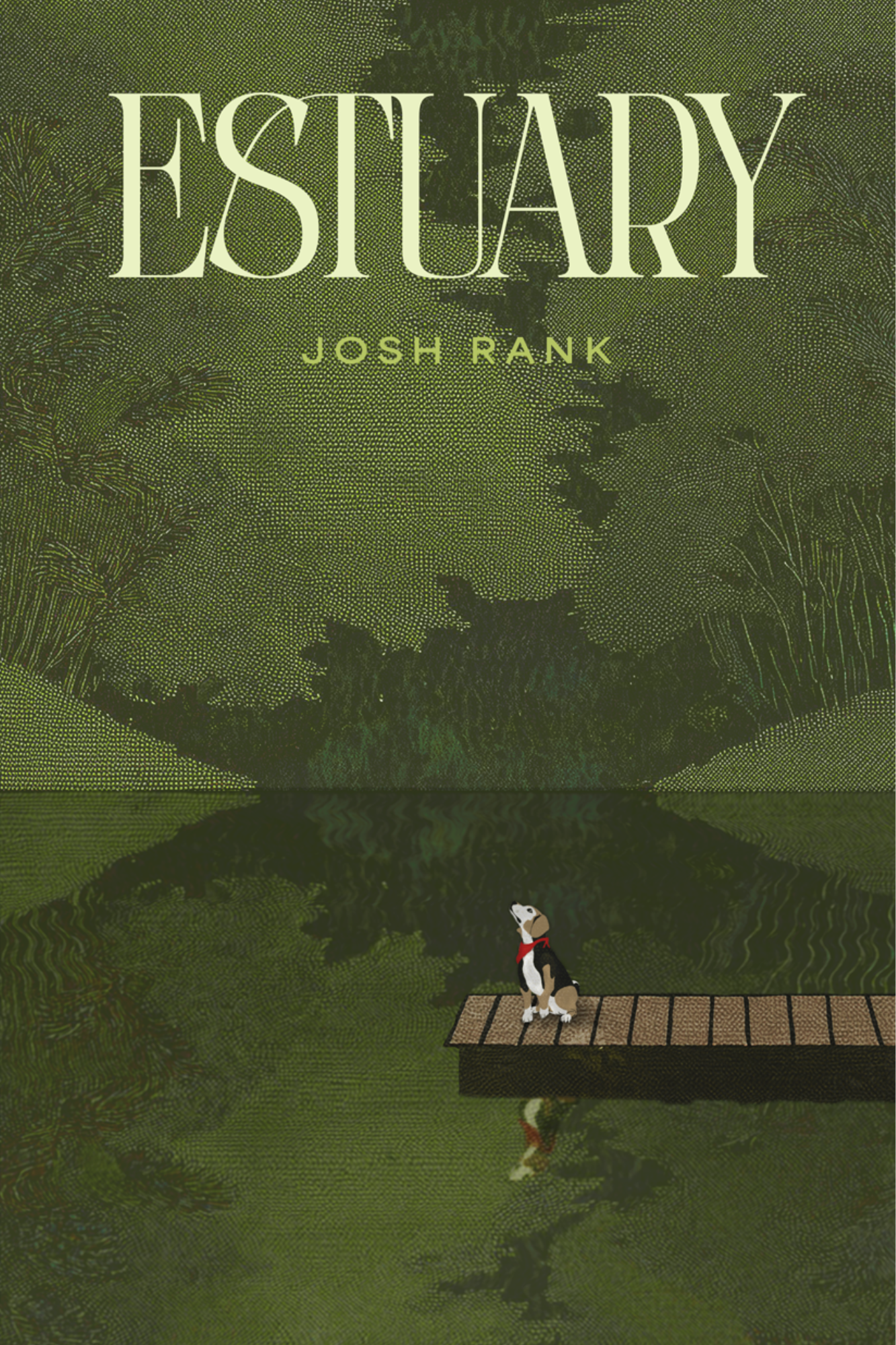
A grief-driven literary novel where loss bends reality, secrets surface, and a child refuses to stay gone.
ESTUARY opens in the disorienting aftermath of loss: Megan Mostly nearly collapses when she finds her son, Lincoln, awake and watching television in the middle of the night—despite the fact that his funeral was only a week ago.
As if grief weren’t enough, Stephen Tremble appears at her door the day before, asking an impossible question: was Lincoln his son? For six years, Megan has lived inside a carefully constructed lie. Now it’s cracking open.
Stephen, newly returned to Atlanta, is unraveling too. After a fire exposes the hoarded remains of his isolated life, he clings to the one object that survived—a diary he can never seem to lose. Inside it, he finds an entry he doesn’t remember writing. It speaks of a child he never knew existed.
As Megan is drawn into a series of unsettling encounters with a mysterious woman who appears without warning, delivering cryptic messages that seem to echo Lincoln’s presence, Stephen grapples with the fury and grief of a father too late to love.
Pulled together by secrets, loss, and a child who refuses to stay gone, Megan and Stephen must confront their pasts where memory and longing converge—at the estuary between what was, what is, and what still refuses to let go.
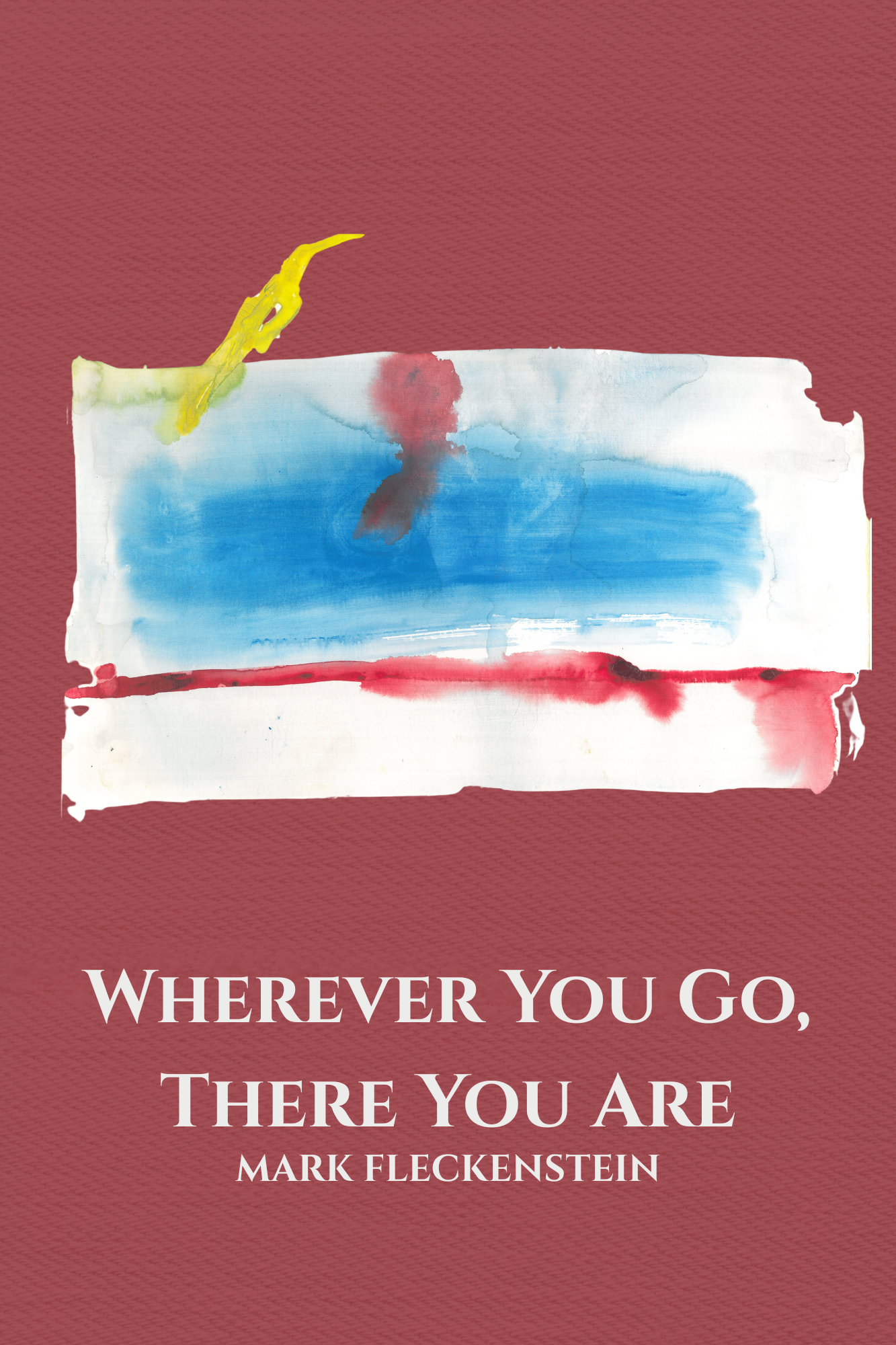
WHEREVER YOU GO, THERE YOU ARE: Letters Rescued from a Fire by Mark Fleckenstein is a fractured, obsessive, deeply intimate collection that moves through longing, memory, art, emotional collapse, and the impossible desire to reconstruct what has already vanished. Part poetry collection, part epistolary artifact, part meditation on obsession and survival, the book assembles “left-handed correspondence” from a brief but life-altering exchange between two artists whose connection burns long after contact ends.
Across letters, commentary, prose fragments, and poems threaded through recurring symbols of red shoes, birds, mirrors, windows, photographs, and unfinished conversations, Fleckenstein interrogates what happens when memory becomes both sanctuary and wound. The collection wrestles with the limits of language itself: how words fail, distort, seduce, memorialize, and sometimes imprison the people who depend on them most.
The poems move through dream logic and emotional excavation with startling vulnerability, tracing the psychic afterlife of desire, artistic awakening, abuse, regret, loneliness, and the strange endurance of hope. These pieces are not interested in neat resolution. Instead, they linger in the unstable space between devotion and delusion, intimacy and projection, imagination and reality.
At once tender, self-interrogating, and formally restless, WHEREVER YOU GO, THERE YOU ARE becomes an archive of emotional residue: a book about the conversations that continue long after silence takes over, and about the ways art attempts to rescue meaning from what could not be saved.
Stepdad on the Dance Floor is a collection of stories about people caught at the threshold of change. Set in familiar American landscapes, these narratives allow the uncanny to surface quietly, transforming everyday moments into acts of reckoning or grace. Together, the stories reveal how lives are altered not by grand gestures, but by brief, destabilizing encounters.
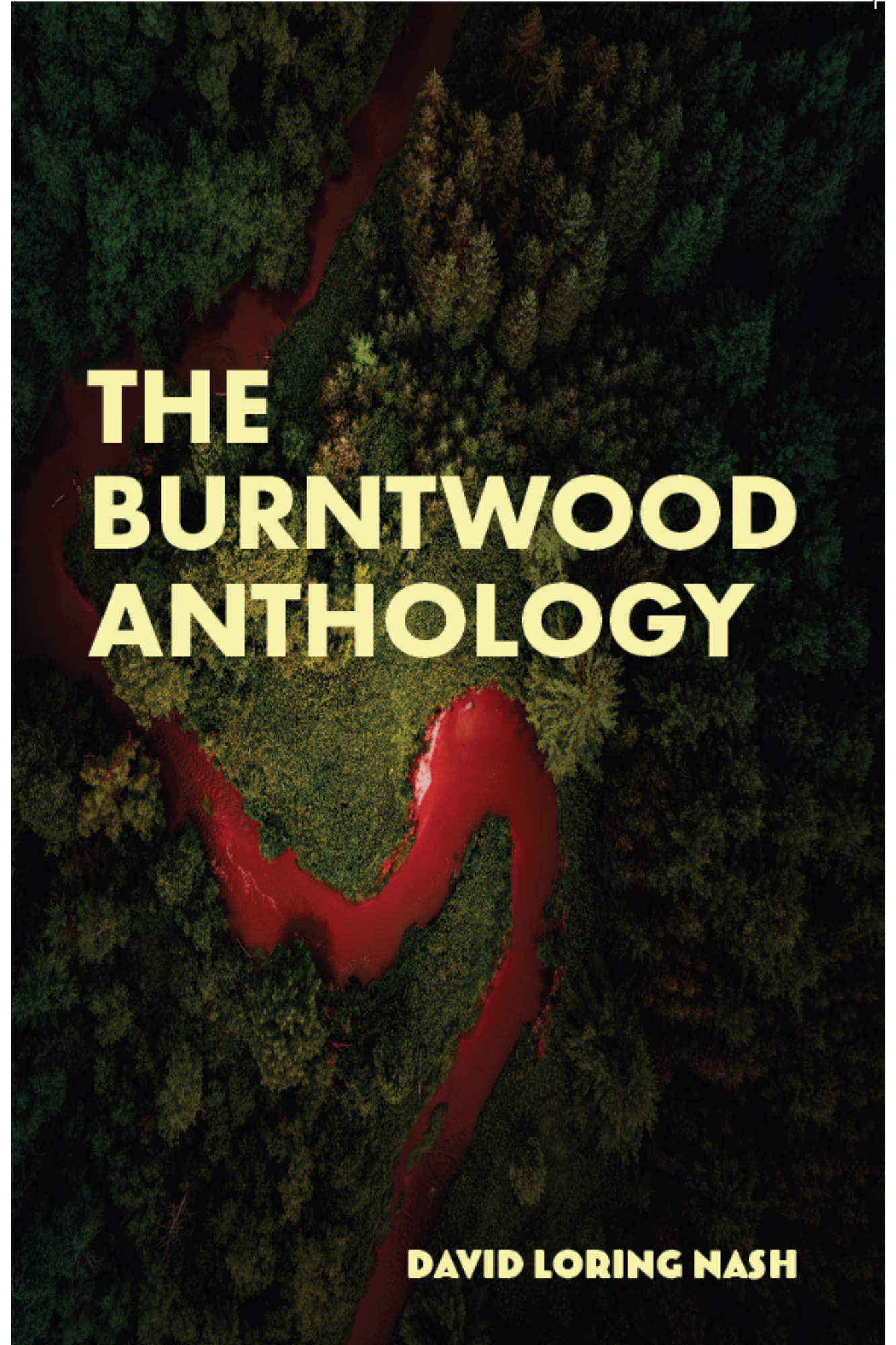
The Burntwood Anthology is a collection of six stories of dark fiction from Minnesota Book Award Finalist David Loring Nash (In Wells’ Time, Unsolicited Press, 2024). It is a braided narrative of Northwoods horror, eerie introspection, subtle witchcraft, and self-proclaimed kings getting what they deserve. The collection explores topics ranging from hubris and revenge to commentaries on the fluidity of sexuality and dating in the digital age.
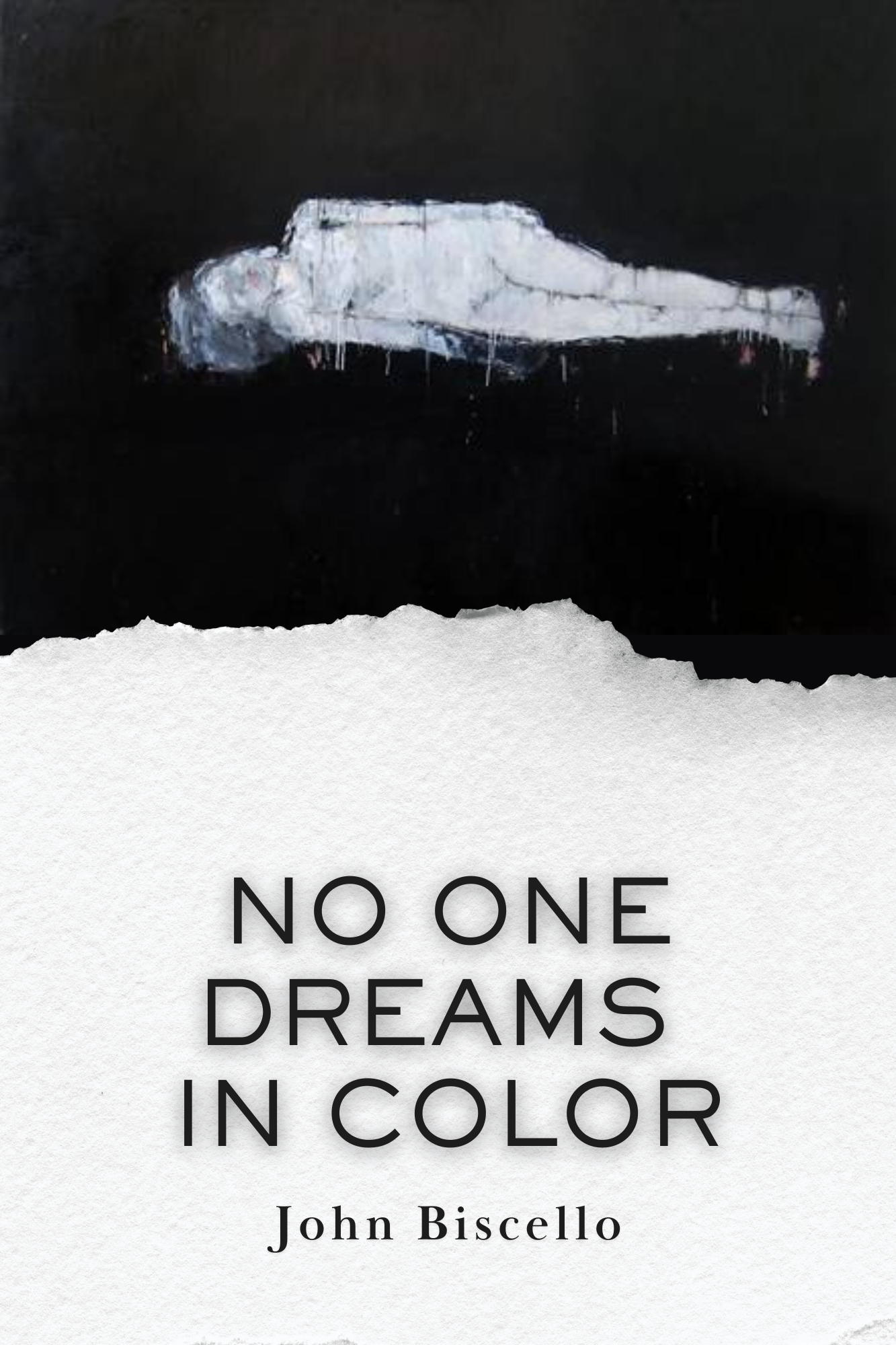
Andrew DiBenedetto, a writer and native New Yorker, is compelled to visit the remote town of Nine Peaks, New Mexico, when he finds out about the disappearance of an obscure filmmaker whose nine-minute film, Wendigo, had a dramatic impact on his life. Andrew’s story quickly and irrevocably becomes entwined with the stories of others: Ali, a thirteen-year-old loner, comic book buff, and Beastie Boys fanatic, who is once again being tormented by werewolves … her mother, Callie, who has started working at the enigmatic Dream Bank … and Mack, the cameraman on Wendigo. When the borders and barriers between dreams, memory, fiction and reality begin to dissolve, Andrew and company must navigate the shifting and unstable narratives of a weblike paradigm and existential puzzle.
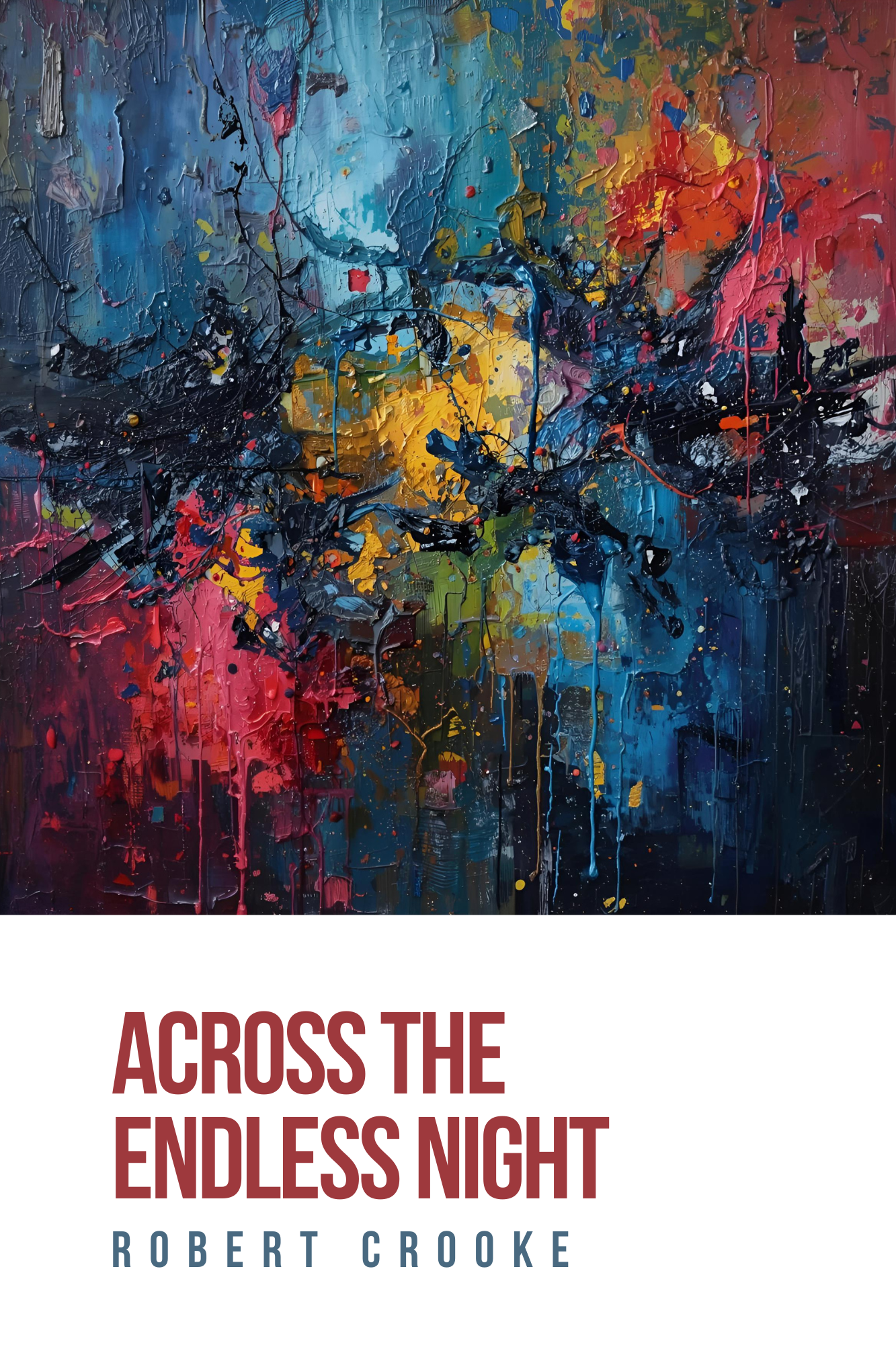
Kirkus Reviews stated that ACROSS THE ENDLESS NIGHT is '“a lyrical family saga steeped in anxiety that explores the risks and rewards of building a life around the ones you love.”
In this moving sequel to Letting the House Go, Robert Crooke returns to Richard Morris at the far end of his life. It is 2021, six years after the death of his ex-wife Irene, whose final counsel still guides him. Aging and increasingly fragile, Richard has devoted himself to the tangled, multi-generational family they created together. Surrounded by the unguarded love of his children, grandchildren, nieces, and nephews, he is astonished by their generosity of spirit and by the future they imagine for themselves—one that feels both fragile and radiant amid a nation divided. As his health wanes and the world grows more uncertain, Richard reckons with memory, loss, and the limits of time. Familiar readers will recognize his once fierce self-absorption, now softened by hard-won humility. While revisiting the vivid Long Island setting and beloved cast of its predecessor, Across the Endless Night stands fully on its own as a resonant meditation on family, identity, and what we dare to hope will endure.